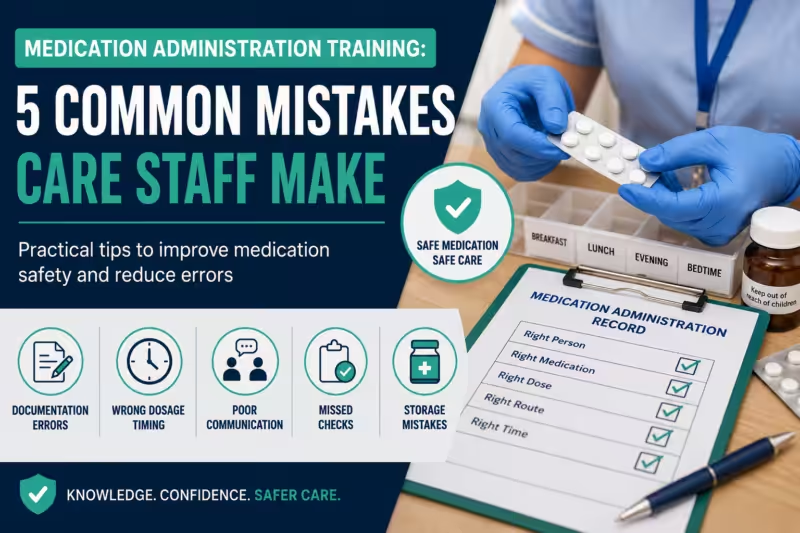
Medication Administration Training: 5 Common Mistakes Care Staff Make
Safe Medication Administration: Common Mistakes and Best Practice
Medication administration is one of the most important responsibilities carried out by care workers, support workers, healthcare assistants and nursing staff. A single mistake can have serious consequences for the health, wellbeing and safety of the people receiving care.
Whether you work in a care home, domiciliary care service, supported living setting or healthcare environment, understanding common medication errors can help you deliver safer, more effective care.
In this guide, we explore five of the most common medication administration mistakes care staff make, why they happen, and how proper medication administration training can help prevent them.
At Caredemy, we provide CPD-accredited online medication administration training designed to help care staff develop confidence, competence and compliance when handling medicines.
Why Medication Administration Training Matters
Medication errors remain one of the most common safety concerns across health and social care settings. The safe administration of medicines relies on accurate record keeping, effective communication, proper storage procedures and competent staff who understand their responsibilities. NICE guidance highlights the importance of accurate records, communication between professionals and appropriate staff training to support safe medicines management.
The Care Quality Commission (CQC) also expects providers to have robust systems for identifying, reporting and learning from medication errors, with staff appropriately trained and assessed as competent.
Common Mistake #1: Documentation Errors
The Wrong Way
A care worker administers medication during a busy morning round but forgets to update the Medication Administration Record (MAR) chart until later in the day.
Another staff member sees the medication has not been recorded and assumes it was missed, leading to confusion and the risk of duplicate administration.
The Right Way
Record medication administration immediately after it has been given, following your organisation’s policy and procedures.
Why It Matters
Accurate documentation is critical for continuity of care. NICE guidance emphasises that medication records should be accurate, up to date and maintained consistently.
Safety Tips
- Complete MAR charts promptly.
- Never rely on memory.
- Record refusals, omissions and PRN medicines correctly.
- Follow local medication policies at all times.
- Report discrepancies immediately.
Common Mistake #2: Giving Medication at the Wrong Time
The Wrong Way
A resident’s medication is due at 8am, but because the service is short-staffed, it is administered several hours later without documenting the reason.
The Right Way
Administer medication at the prescribed time whenever possible and follow procedures if delays occur.
Why It Matters
Some medicines are time-sensitive. Delayed administration can reduce effectiveness or increase the risk of side effects. NICE recommends that care providers and healthcare professionals agree suitable administration times and ensure medicines are given safely and effectively.
Safety Tips
- Plan medication rounds carefully.
- Prioritise time-critical medicines.
- Document delays appropriately.
- Escalate concerns if staffing issues affect safe administration.
- Seek guidance when unsure.
Common Mistake #3: Poor Communication Between Staff
The Wrong Way
A GP changes a resident’s prescription, but the information is not effectively communicated to all members of the care team.
As a result, outdated instructions continue to be followed.
The Right Way
Ensure all medication changes are communicated clearly and documented immediately.
Why It Matters
Medication changes can occur frequently. NICE guidance highlights the importance of health and social care professionals working together and ensuring everyone involved understands when medicines have been started, stopped or changed.
Safety Tips
- Attend handovers fully.
- Read care notes and medication updates.
- Confirm verbal instructions according to policy.
- Update records promptly.
- Ask questions if information is unclear.
Common Mistake #4: Missing Essential Checks
The Wrong Way
A care worker administers medication without confirming the service user’s identity or checking the MAR chart thoroughly.
The Right Way
Follow the required checks before every administration.
Why It Matters
Many medication incidents occur because basic safety checks are missed. Staff should always verify the right person, right medication, right dose, right route and right time before administering medicines.
CQC case reviews have highlighted issues such as omitted medicines, failure to record allergies and incorrect recording of dosages, demonstrating the importance of thorough checking procedures.
Safety Tips
- Check the individual’s identity carefully.
- Confirm allergies and sensitivities.
- Read labels and prescriptions carefully.
- Double-check dosage instructions.
- Never rush medication administration.
Common Mistake #5: Incorrect Medication Storage
The Wrong Way
Medicines are left unsecured, stored at the wrong temperature or mixed with medicines belonging to another individual.
The Right Way
Store medicines according to manufacturer instructions and organisational policies.
Why It Matters
Poor storage can affect medication effectiveness, create safeguarding concerns and increase the risk of medication errors. NICE guidance includes clear recommendations around the safe storage and handling of medicines in care settings.
Safety Tips
- Keep medicines secure.
- Monitor storage temperatures where required.
- Separate medications correctly.
- Check expiry dates regularly.
- Dispose of medicines safely following procedures.
Practical Steps to Reduce Medication Errors
Medication safety depends on systems, training and culture. Providers can significantly reduce risks by:
- Delivering regular medication administration training.
- Conducting competency assessments.
- Auditing medication records.
- Encouraging incident reporting.
- Learning from mistakes.
- Keeping policies and procedures up to date.
Skills for Care recommends structured medicines management training and competency assessment processes to help maintain high standards of practice across adult social care services.
Medication Administration Training and CQC Compliance
Medication management is frequently reviewed during CQC inspections. Inspectors may examine:
- Staff training records.
- Competency assessments.
- MAR charts.
- Incident reporting processes.
- Medicines policies.
- Storage procedures.
Providers should be able to demonstrate that staff administering medicines have received appropriate training and have been assessed as competent.
How Caredemy Supports Safe Medication Practice
Caredemy’s Medication Administration Training course helps care workers and healthcare staff understand their responsibilities when handling and administering medicines.
Learners gain practical knowledge on:
- Safe medication administration procedures.
- Record keeping and documentation.
- Medication storage and handling.
- Reducing medication errors.
- Legal and professional responsibilities.
- Best practice in health and social care settings.
Our flexible online training allows learners to study at their own pace while supporting organisations with compliance, induction and refresher training requirements.
Frequently Asked Questions
Is medication administration training mandatory?
While specific training requirements vary by role and setting, providers must ensure staff are trained and competent to carry out medication-related duties safely.
How often should medication training be refreshed?
Many organisations provide refresher training annually or in line with local policies, competency assessments and risk requirements.
What is a MAR chart?
A Medication Administration Record (MAR) chart is used to record medications prescribed and administered to an individual.
Who can administer medication in a care setting?
Only staff who have received appropriate training and have been assessed as competent should administer medicines.
Related Resources
Internal Links
- Medication Administration Training Course: https://caredemy.co.uk
- Care Certificate Training: https://caredemy.co.uk
- Safeguarding Training Courses: https://caredemy.co.uk
- Mandatory Training for Care Workers: https://caredemy.co.uk
External Resources
- NICE Managing Medicines in Care Homes: https://www.nice.org.uk/guidance/sc1
- CQC Medicines Management Guidance: https://www.cqc.org.uk
- Skills for Care Medicines Management Resources: https://www.skillsforcare.org.uk
Final Thoughts
Medication administration is about far more than handing out tablets. It requires attention to detail, effective communication, accurate documentation and a commitment to safe practice.
By understanding the most common mistakes and following best practice procedures, care staff can reduce risks, improve outcomes and help ensure the people they support receive safe, effective care every day.
Caredemy provides medication administration online training for care staff.
Explore medication training at caredemy.co.uk and help your team develop the knowledge and confidence needed to administer medicines safely.