

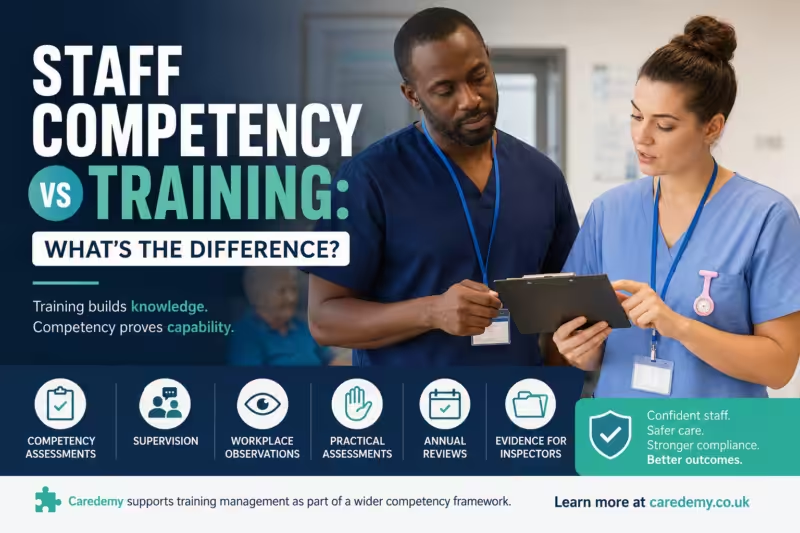
Staff Competency vs Training: What’s the Difference?
Understanding the Difference Between Training and Competency
Training is one of the most important investments any health and social care provider can make. However, completing an online course or attending a workshop does not automatically mean a member of staff is competent to carry out their role safely and effectively.
For employers, managers and compliance leads across the UK, understanding the difference between training and competency is essential. It not only helps improve the quality of care but also ensures organisations are prepared for inspections by regulators such as the Care Quality Commission (CQC).
In this guide, we’ll explain the key differences between training and competency, why both matter, and how healthcare organisations can build a robust competency framework that supports safe, high-quality care.
Training vs Competency: Understanding the Difference
Although the terms are often used interchangeably, they refer to two very different things.
What is Training?
Training is the process of providing staff with the knowledge and understanding required to perform a task or meet regulatory requirements. It may include:
- Online learning
- Classroom-based teaching
- Practical demonstrations
- Workshops
- Reading policies and procedures
- Mandatory refresher courses
Training provides the foundation for learning. It helps employees understand legislation, organisational policies and best practice.
For example, a healthcare assistant may complete training in:
- Infection prevention and control
- Moving and handling
- Safeguarding adults
- Basic life support
- Medication awareness
Completing these courses demonstrates that learning has taken place—but it does not prove the individual can consistently apply that knowledge in practice.
What is Competency?
Competency is the ability to safely, confidently and consistently perform a task in the real workplace.
A competent employee combines:
- Knowledge
- Practical skills
- Professional judgement
- Appropriate behaviours
- Confidence
- Consistent performance
Competency demonstrates that someone can translate learning into safe, effective care.
For example, completing a moving and handling course is training. Correctly using equipment with a resident while following organisational procedures is evidence of competency.
Why Completing Training Isn’t Enough
Many organisations rely heavily on training certificates when demonstrating compliance.
While certificates are valuable, inspectors are increasingly interested in how organisations know that staff can perform their duties safely.
Training alone cannot answer questions such as:
- Can the employee safely administer medication?
- Are infection control procedures consistently followed?
- Can they recognise safeguarding concerns?
- Are they communicating effectively with vulnerable people?
- Do they follow organisational policies under pressure?
Without assessing competency, employers have little evidence that knowledge is being applied correctly.
This is why modern compliance focuses on both learning and performance.
Building a Competency Framework
A competency framework provides a structured way to ensure staff are not only trained but also capable of performing their role safely.
Several methods work together to demonstrate competency.
1. Competency Assessments
Competency assessments formally evaluate whether an employee can perform specific tasks to the required standard.
Assessments should be:
- Objective
- Role-specific
- Evidence-based
- Regularly reviewed
- Recorded
Examples include:
- Medication administration assessments
- Manual handling competency checks
- Clinical skills assessments
- Care documentation reviews
- Risk assessment exercises
Documenting these assessments provides valuable evidence during inspections.
2. Supervision
Regular supervision helps managers monitor staff performance while supporting professional development.
Effective supervision allows managers to:
- Identify strengths
- Address performance concerns
- Discuss learning needs
- Review incidents
- Reinforce organisational policies
- Agree development plans
Supervision should be an ongoing process rather than a one-off meeting.
Maintaining accurate supervision records also demonstrates that staff are receiving appropriate support.
3. Workplace Observations
Observing staff during everyday practice provides one of the strongest forms of competency evidence.
Managers or experienced assessors may observe employees while they:
- Deliver personal care
- Support medication rounds
- Use moving and handling equipment
- Follow infection control procedures
- Communicate with service users
- Complete care documentation
Observations highlight whether staff consistently follow policies and best practice in real situations.
4. Practical Assessments
Some skills require direct demonstration rather than theoretical knowledge.
Practical assessments are particularly valuable for high-risk activities such as:
- CPR
- First aid
- Moving and handling
- Clinical procedures
- Use of medical devices
- Emergency response
These assessments provide confidence that staff can perform safely under normal working conditions.
5. Annual Reviews
Competency should never be viewed as permanent.
Healthcare guidance changes, equipment evolves and staff responsibilities develop over time.
Annual competency reviews allow organisations to:
- Refresh knowledge
- Identify training gaps
- Review performance
- Confirm ongoing competence
- Plan future development
Many organisations combine annual reviews with mandatory refresher training and supervision to create a continuous learning culture.
Evidence for Inspectors
During inspections, regulators want to see more than a list of completed training courses.
Inspectors may ask:
- How do you know staff are competent?
- How are new employees assessed?
- How do you monitor ongoing competence?
- What happens if concerns are identified?
- How do you record competency assessments?
Providing documented evidence demonstrates that your organisation has effective governance processes in place.
Examples of useful evidence include:
- Training records
- Competency assessment forms
- Observation checklists
- Supervision notes
- Annual appraisal records
- Action plans
- Reflective learning records
- Skills sign-off documentation
Having clear, organised records can help demonstrate compliance and continuous improvement during inspections.
Why Competency Improves Care Quality
Competency frameworks do more than satisfy regulatory expectations.
They help organisations:
- Improve patient safety
- Reduce clinical errors
- Build staff confidence
- Support professional development
- Identify learning needs earlier
- Improve consistency across teams
- Strengthen governance
- Reduce organisational risk
Employees also benefit from knowing what is expected and receiving regular feedback on their performance.
Creating a Culture of Continuous Development
Competency should not be viewed as a one-off assessment completed during induction.
The strongest organisations create a culture where learning continues throughout employment.
This includes:
- Regular refresher training
- Ongoing supervision
- Workplace coaching
- Peer learning
- Reflective practice
- Competency reassessment
- Professional development planning
When training and competency work together, organisations can be more confident that staff are delivering safe, effective and person-centred care.
How Caredemy Supports Healthcare Providers
Managing compliance across multiple staff members can quickly become complex.
Healthcare providers need to monitor mandatory training, identify renewal dates and maintain accurate records while also supporting wider competency processes.
Caredemy supports training management as part of a wider competency framework.
Our online learning platform helps organisations deliver high-quality mandatory and statutory training while maintaining centralised training records that support compliance management.
Frequently Asked Questions
Is completing mandatory training enough to demonstrate competency?
No. Training demonstrates that learning has taken place, but competency requires evidence that staff can safely apply that knowledge in practice through assessments, observations and ongoing supervision.
How often should competency be assessed?
This depends on the role and level of risk. Many organisations assess competency during induction, after training, following incidents, when responsibilities change and as part of annual performance reviews.
What evidence should organisations keep?
Good records include training certificates, competency assessments, supervision notes, observation records, appraisal documents and action plans where additional support has been identified.
Why is competency important for inspections?
Inspectors want evidence that staff can provide safe, effective care—not simply that they have attended training. Demonstrating competency helps show that learning is embedded in everyday practice.
Final Thoughts
Training gives staff the knowledge they need. Competency demonstrates they can apply that knowledge safely, confidently and consistently in real-world situations.
By combining structured learning with competency assessments, supervision, workplace observations, practical assessments and annual reviews, organisations can strengthen compliance, improve care quality and provide robust evidence during inspections.
Caredemy supports training management as part of a wider competency framework.
Learn more at caredemy.co.uk.