
Safeguarding in Health and Social Care: UK Laws & Best Practice Guide
Safeguarding is a fundamental pillar of ethical and effective practice within the UK’s health and social care sector. It encompasses proactive measures and responsive actions designed to protect the rights, health, and wellbeing of individuals, particularly those who may be vulnerable to abuse or neglect. For anyone working in or managing care services, a deep understanding of safeguarding principles, the relevant UK safeguarding laws, and best practice implementation is not merely a regulatory requirement but a moral imperative. This comprehensive guide from CareDemy UK delves into the legal landscape and practical strategies essential for robust safeguarding in health and social care settings, ensuring every individual receives the protection and respect they deserve.
Understanding Safeguarding in Health and Social Care
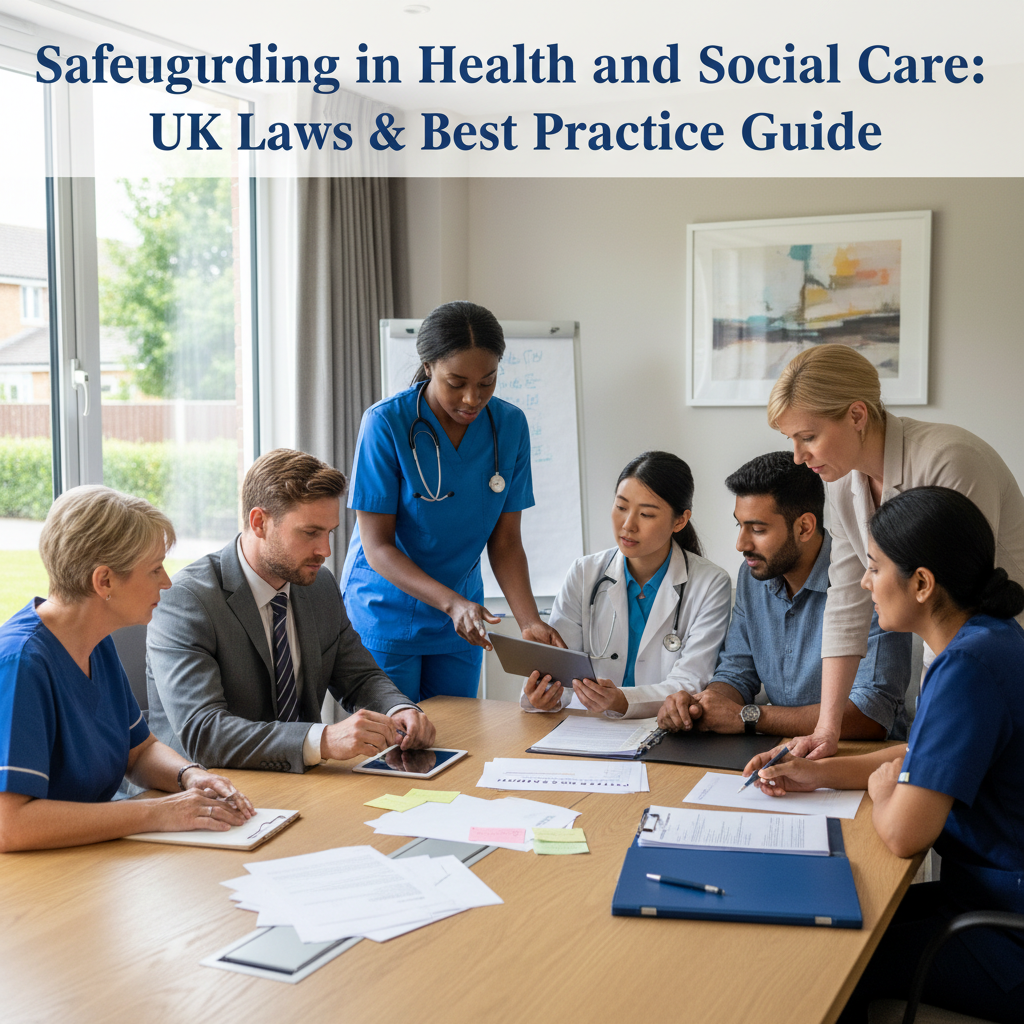
At its core, safeguarding in health and social care is about preventing harm and promoting the welfare of children and adults at risk. It’s a proactive approach that goes beyond simply reacting to incidents; it involves creating environments and cultures where abuse and neglect are less likely to occur, and where concerns are identified and addressed swiftly and effectively.
What is Safeguarding?
Safeguarding is a broad term that covers a range of activities aimed at protecting people from harm. For adults, it means protecting their right to live in safety, free from abuse and neglect. For children, it means protecting them from maltreatment, preventing impairment of their health or development, ensuring they grow up in circumstances consistent with the provision of safe and effective care, and taking action to enable all children to have the best outcomes.
Key aspects of safeguarding include:
- Preventing harm and abuse.
- Protecting individuals who are experiencing or at risk of abuse or neglect.
- Promoting the health, development, and wellbeing of individuals.
- Ensuring individuals have access to appropriate support and services.
- Working in partnership with other agencies to achieve these aims.
Who is at Risk?
While anyone can be a victim of abuse or neglect, safeguarding efforts primarily focus on ‘adults at risk’ and children. An ‘adult at risk’ is defined by the Care Act 2014 as someone aged 18 or over who:
- Has needs for care and support (whether or not the local authority is meeting any of those needs).
- Is experiencing, or at risk of, abuse or neglect.
- As a result of those care and support needs, is unable to protect themselves from either the risk of, or the experience of, abuse or neglect.
Children are defined as anyone under the age of 18. All children are considered vulnerable and require safeguarding.
Why is Safeguarding Crucial?
The importance of safeguarding cannot be overstated. It is crucial for several reasons:
- Ethical Responsibility: Care professionals have a moral duty to protect those in their care.
- Legal Compliance: Adherence to UK safeguarding laws is mandatory for all health and social care providers.
- Quality of Care: Effective safeguarding is integral to providing high-quality, person-centred care.
- Trust and Reputation: A strong safeguarding culture builds trust with individuals, families, and the wider community.
- Preventing Harm: Most importantly, it prevents individuals from suffering physical, emotional, financial, or psychological harm.
The UK Legal Framework for Safeguarding

The UK’s approach to safeguarding is underpinned by a robust legal framework, comprising several key pieces of legislation that mandate duties and responsibilities for health and social care providers. Understanding these UK safeguarding laws is essential for compliance and effective practice.
Care Act 2014 (Adults)
The Care Act 2014 is the cornerstone of adult safeguarding in England. It places a statutory duty on local authorities to promote an individual’s wellbeing and to lead adult safeguarding. Key provisions include:
- Section 42 Enquiries: Local authorities must make enquiries, or cause others to do so, if an adult with care and support needs is experiencing or at risk of abuse or neglect, and as a result of those needs, is unable to protect themselves.
- Safeguarding Adults Boards (SABs): Local authorities must establish SABs, bringing together the local authority, NHS, and police, to ensure local safeguarding arrangements are effective.
- Six Principles of Safeguarding: The Act introduced six core principles that should underpin all safeguarding work:
- Empowerment: People are supported and encouraged to make their own decisions and give informed consent.
- Prevention: It is better to take action before harm occurs.
- Proportionality: The least intrusive response appropriate to the risk presented.
- Protection: Support and representation for those in greatest need.
- Partnership: Local solutions through services working with their communities.
- Accountability: Accountability and transparency in delivering safeguarding.
Children Act 1989 & 2004 (Children)
These Acts provide the legal framework for children’s safeguarding. The Children Act 1989 established the principle that the welfare of the child is paramount. The Children Act 2004 built upon this, placing a duty on local authorities and other agencies to safeguard and promote the welfare of children. Key aspects include:
- Duty to Safeguard: All agencies working with children have a duty to safeguard and promote their welfare.
- Local Safeguarding Children Boards (LSCBs) / Safeguarding Children Partnerships (SCPs): These multi-agency bodies coordinate and ensure the effectiveness of safeguarding arrangements for children in their area.
- Working Together to Safeguard Children: This statutory guidance outlines how organisations and individuals should work together to safeguard and promote the welfare of children.
Mental Capacity Act 2005
The Mental Capacity Act 2005 (MCA) protects and empowers individuals who may lack the mental capacity to make their own decisions about their care and treatment. It is crucial for safeguarding as it ensures that any decisions made on behalf of someone who lacks capacity are made in their best interests and with the least restrictive option. Key principles include:
- A presumption of capacity.
- Support to make decisions.
- Unwise decisions are not evidence of a lack of capacity.
- Best interests principle.
- Least restrictive option.
The Deprivation of Liberty Safeguards (DoLS), under the MCA, provide a legal framework to protect individuals who lack the mental capacity to consent to their care or treatment and whose liberty is being deprived in their best interests.
Human Rights Act 1998
The Human Rights Act 1998 incorporates the European Convention on Human Rights into UK law, ensuring that public bodies, including health and social care providers, respect fundamental rights such as:
- Article 2: Right to life.
- Article 3: Prohibition of torture, inhuman or degrading treatment (highly relevant to abuse and neglect).
- Article 5: Right to liberty and security.
- Article 8: Right to respect for private and family life.
These rights underpin the ethical and legal duties to safeguard individuals from harm and ensure their dignity and autonomy are upheld.
Other Relevant Legislation
Several other laws contribute to the safeguarding framework:
- Data Protection Act 2018 / GDPR: Governs how personal data, including sensitive safeguarding information, is handled, ensuring privacy while allowing for necessary information sharing to protect individuals.
- Health and Safety at Work etc. Act 1974: Requires employers to ensure the health, safety, and welfare of their employees and others who may be affected by their work activities, including those receiving care.
- Equality Act 2010: Protects individuals from discrimination and promotes equality, ensuring that safeguarding practices are inclusive and do not disadvantage any protected characteristic.
- Modern Slavery Act 2015: Addresses human trafficking and slavery, which are severe forms of abuse and neglect that care professionals must be vigilant in identifying and reporting.
Key Principles of Safeguarding Practice
Beyond the legal framework, effective safeguarding is guided by a set of core principles that inform best practice in health and social care. These principles ensure that safeguarding is person-centred, preventative, and collaborative.
- Empowerment: Supporting individuals to make their own decisions and have as much control as possible over their lives. This includes involving them in safeguarding processes and respecting their wishes where appropriate.
- Prevention: Taking proactive steps to prevent abuse and neglect from occurring in the first place. This involves creating safe environments, promoting awareness, and providing appropriate training.
- Proportionality: Ensuring that any intervention in an individual’s life is the least intrusive response appropriate to the risk presented. This means balancing protection with individual liberty.
- Protection: Providing support and advocacy for those who are experiencing or at risk of abuse or neglect. This includes ensuring access to appropriate services and legal protections.
- Partnership: Recognising that safeguarding is a shared responsibility. Effective safeguarding requires collaboration between individuals, families, care providers, local authorities, police, and health services.
- Accountability: Ensuring that all individuals and organisations involved in safeguarding are transparent and accountable for their actions and decisions. This includes clear reporting lines and oversight.
Implementing Best Practice in Safeguarding

Translating legal duties and principles into everyday practice requires robust systems and a strong organisational culture. For UK care providers, care managers, care workers, training leads, and compliance teams, implementing best practice in safeguarding is an ongoing commitment.
Robust Policies and Procedures
Every health and social care organisation must have clear, comprehensive, and up-to-date safeguarding policies and procedures. These should:
- Outline the organisation’s commitment to safeguarding.
- Define roles and responsibilities for all staff.
- Detail the process for identifying, reporting, and responding to concerns.
- Include guidance on information sharing, confidentiality, and record-keeping.
- Be easily accessible to all staff and regularly reviewed.
Comprehensive Training
Effective safeguarding relies heavily on a well-trained workforce. Training should be:
- Mandatory: For all staff, from frontline care workers to senior management.
- Role-Specific: Tailored to the responsibilities and level of contact staff have with individuals.
- Regular and Ongoing: Initial training should be followed by refresher courses and updates to ensure knowledge remains current with UK safeguarding laws and best practice.
- Practical: Including scenarios and discussions to help staff apply learning to real-life situations.
CareDemy UK offers a range of accredited safeguarding courses designed to meet these requirements, ensuring staff are equipped with the knowledge and confidence to protect those in their care.
Effective Reporting and Whistleblowing
Organisations must foster a culture where staff feel safe and confident to raise concerns. This involves:
- Clear Reporting Pathways: Staff must know exactly who to report concerns to, both internally and externally (e.g., local authority safeguarding teams, CQC).
- Whistleblowing Policy: A robust policy that protects staff who raise concerns in good faith from detriment.
- Confidentiality: Ensuring that concerns are handled sensitively and confidentially, while prioritising the safety of the individual at risk.
Multi-Agency Working
Safeguarding is rarely the sole responsibility of one agency. Effective multi-agency working is crucial, involving collaboration with:
- Local authority safeguarding teams.
- Police.
- NHS services (GPs, mental health teams, hospitals).
- Housing services.
- Advocacy services.
- Other care providers.
This ensures a holistic approach to safeguarding, sharing information appropriately to build a complete picture and coordinate effective responses.
Person-Centred Approach
All safeguarding interventions must be person-centred, respecting the individual’s wishes, preferences, and beliefs as far as possible. This means:
- Involving the individual in decisions about their safety and support.
- Providing advocacy if they have difficulty expressing their views.
- Considering their cultural background, communication needs, and personal history.
Regular Audits and Reviews
To ensure continuous improvement, safeguarding practices should be regularly audited and reviewed. This includes:
- Reviewing safeguarding policies and procedures annually.
- Analysing safeguarding incidents and outcomes to identify trends and learning points.
- Seeking feedback from individuals, families, and staff.
- Participating in external inspections (e.g., CQC) and acting on recommendations.
Recognising and Responding to Abuse and Neglect
A critical aspect of safeguarding is the ability to recognise the signs of abuse and neglect and to know how to respond appropriately. Abuse can take many forms and may not always be obvious.
Types of Abuse
The Care Act 2014 identifies ten main categories of abuse for adults at risk:
- Physical Abuse: Including assault, hitting, slapping, pushing, misuse of medication, restraint, or inappropriate physical sanctions.
- Domestic Abuse: Including psychological, physical, sexual, financial, emotional abuse; ‘honour’-based violence.
- Sexual Abuse: Including rape, sexual assault, sexual harassment, or sexual acts to which the adult has not consented or was pressured into consenting.
- Psychological/Emotional Abuse: Including threats of harm or abandonment, deprivation of contact, humiliation, blaming, controlling, intimidation, coercion, harassment, verbal abuse, isolation, or unreasonable and unjustified withdrawal of services or supportive networks.
- Financial or Material Abuse: Including theft, fraud, exploitation, pressure in connection with wills, property, inheritance or financial transactions, or the misuse of property, possessions, or benefits.
- Modern Slavery: Encompasses slavery, human trafficking, forced labour, and domestic servitude.
- Discriminatory Abuse: Including harassment, slurs, or similar treatment because of age, disability, gender reassignment, race, religion or belief, sex, or sexual orientation.
- Organisational Abuse: Including neglect and poor care practice within an institution or specific care setting, such as a hospital or care home, or in relation to care provided in one’s own home.
- Neglect and Acts of Omission: Including ignoring medical, emotional, or physical care needs, failure to provide access to appropriate health, social care, or educational services, or withholding necessities of life such as medication, adequate nutrition, and heating.
- Self-Neglect: Covers a wide range of behaviours such as neglecting one’s personal hygiene, health, or environment, and includes hoarding.
Signs and Indicators
Recognising abuse requires vigilance and an understanding of potential indicators. These can be physical, behavioural, or environmental:
- Physical: Unexplained injuries, bruises, burns, pressure marks, poor personal hygiene, dehydration, malnutrition.
- Behavioural: Withdrawal, fear, anxiety, depression, changes in sleep patterns, aggression, unexplained changes in mood or personality.
- Environmental: Unsafe living conditions, lack of heating/food, unkempt appearance of the home, isolation, unexplained financial difficulties.
It’s important to remember that these signs are indicators, not definitive proof, and require careful investigation.
What to Do: Report, Record, Refer
If you suspect abuse or neglect, your immediate actions are crucial:
- Report: Follow your organisation’s safeguarding policy immediately. This typically involves reporting to your line manager or designated safeguarding lead. If there is immediate danger, contact the police (999).
- Record: Document your concerns accurately, objectively, and factually. Include dates, times, specific observations, and any actions taken. Avoid making assumptions or judgments.
- Refer: Your safeguarding lead will then make a referral to the local authority safeguarding team or other relevant agencies, such as the police or children’s social care, as appropriate.
Never attempt to investigate the abuse yourself, and do not promise confidentiality if it means withholding information that could protect someone from harm.
Challenges and Risks in Safeguarding
Despite robust UK safeguarding laws and best practice guidance, challenges persist in the health and social care sector. Awareness of these risks helps organisations and individuals to mitigate them effectively.
- Under-reporting: Fear of reprisal, lack of awareness, or uncertainty about reporting procedures can lead to concerns going unreported.
- Lack of Awareness/Training: Staff may not recognise the signs of abuse or neglect, or may not understand their responsibilities under safeguarding legislation.
- Organisational Culture: A poor organisational culture, where concerns are not taken seriously or where there is a blame culture, can undermine safeguarding efforts.
- Resource Constraints: Limited staffing, funding, or access to specialist services can impact the ability to provide timely and effective safeguarding responses.
- Complexity of Cases: Safeguarding cases can be complex, involving multiple agencies, conflicting information, and individuals with complex needs or who lack capacity.
- Information Sharing: Balancing confidentiality with the need to share information to protect individuals can be challenging, requiring careful judgment and adherence to data protection laws.
Conclusion
Safeguarding in health and social care is a dynamic and critical area that demands continuous vigilance, education, and collaboration. Adhering to UK safeguarding laws, embracing best practice principles, and fostering a culture of openness and accountability are paramount for protecting individuals from harm. For care providers, managers, and frontline workers, understanding the legal framework, recognising the signs of abuse, and knowing how to respond effectively are not just compliance issues but fundamental aspects of delivering compassionate and safe care.
CareDemy UK is committed to empowering health and social care professionals with the knowledge and skills necessary to uphold the highest standards of safeguarding. Through comprehensive and up-to-date training, we help organisations build resilient safeguarding practices, ensuring that every individual receiving care can live free from abuse and neglect, with their dignity and rights respected. Continuous learning and a proactive approach are the cornerstones of effective safeguarding, creating safer environments for all.
Frequently asked questions
What is safeguarding in health and social care?
Safeguarding encompasses proactive measures and responsive actions designed to protect the rights, health, and wellbeing of individuals, particularly those vulnerable to abuse or neglect. It involves preventing harm, promoting welfare, and responding appropriately to concerns.
Who is responsible for safeguarding?
Everyone has a role in safeguarding, including individuals, families, communities, and professionals across various sectors like health, social care, education, and law enforcement. Organizations have a legal and ethical duty to ensure their practices promote safeguarding.
What are the main types of abuse or neglect?
Abuse and neglect can take many forms, including physical abuse, emotional/psychological abuse, sexual abuse, financial abuse, neglect, self-neglect, domestic abuse, modern slavery, and discriminatory abuse. Recognizing these types is crucial for effective safeguarding.