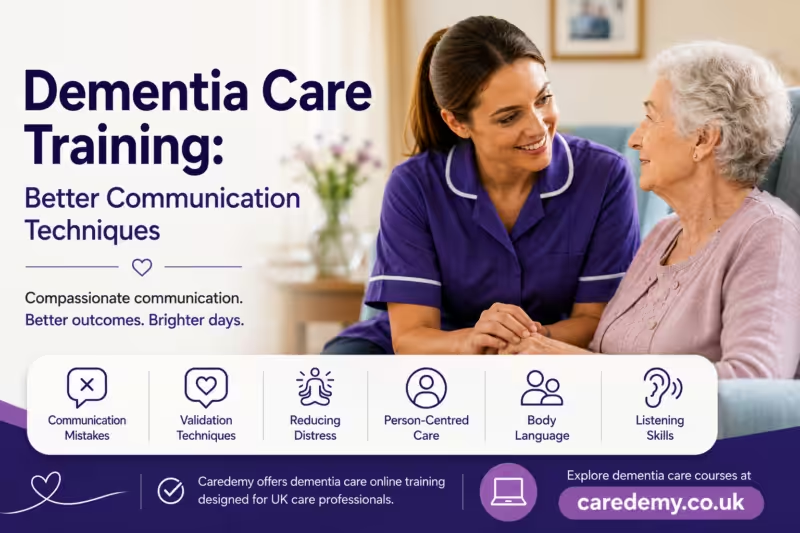
Dementia Care Training: Better Communication Techniques for UK Care Professionals
Better Communication Can Transform Dementia Care
Supporting someone living with dementia requires far more than meeting their physical needs. Every conversation, gesture and interaction can have a profound impact on their wellbeing, confidence and quality of life.
As dementia progresses, communication often becomes more challenging. A person may struggle to find words, become confused about time or place, or interpret information differently. Without the right communication techniques, even simple conversations can lead to frustration, anxiety or distress.
Effective dementia care training equips care workers with practical strategies to communicate with empathy, reduce distress and build trusting relationships. Whether you work in a care home, domiciliary care, supported living service or hospital, these skills are essential for delivering safe, compassionate and person-centred care.
At Caredemy, we provide CPD-accredited dementia care training designed specifically for UK healthcare and social care professionals, helping organisations improve communication, confidence and outcomes for people living with dementia.
Why Communication Matters in Dementia Care
Dementia affects memory, language, reasoning and the ability to process information. However, while words may become difficult, emotions often remain.
People living with dementia may not remember exactly what was said, but they often remember how someone made them feel.
Good communication helps to:
- Reduce anxiety and confusion
- Build trust between carers and individuals
- Prevent unnecessary distress
- Support independence where possible
- Improve cooperation with personal care
- Reduce behaviours that challenge
- Enhance overall wellbeing and dignity
Poor communication, on the other hand, can increase frustration for both the individual and the care worker.
Common Communication Mistakes
Many communication difficulties occur unintentionally. Busy environments and time pressures can lead carers to speak too quickly or give too much information at once.
Some common mistakes include:
Correcting the Person
If someone believes they need to collect their children from school, immediately telling them they are wrong may increase distress.
Instead of arguing, try understanding the emotion behind the statement.
Asking Complex Questions
Questions with multiple choices can be overwhelming.
Instead of:
“What would you like for lunch today? We have soup, sandwiches or pasta.”
Try:
“Would you like soup or a sandwich?”
Speaking Too Quickly
Allow time for information to be processed.
Pause after asking a question and avoid rushing to fill the silence.
Talking Over the Person
Always include the individual in conversations, even when family members are present.
Maintaining dignity means speaking directly to the person whenever possible.
Understanding Validation Techniques
Validation is one of the most valuable communication approaches in dementia care.
Rather than correcting someone’s reality, validation acknowledges their feelings and emotions.
For example:
Instead of saying:
“Your husband died years ago.”
You might say:
“You sound like you’re missing him today. Tell me about him.”
This simple shift can reduce anxiety while encouraging meaningful conversation.
Validation does not mean reinforcing false beliefs. It means recognising the emotions behind what the person is experiencing.
Using Person-Centred Communication
Every individual experiences dementia differently.
Person-centred care means adapting communication to the person’s:
- Life history
- Personal preferences
- Culture and beliefs
- Communication style
- Interests
- Family relationships
- Current abilities
Knowing someone’s background helps carers create meaningful conversations and stronger relationships.
For example, discussing a person’s former occupation or favourite hobbies may be far more successful than asking about recent events they cannot remember.
This approach aligns with the principles of person-centred care promoted across UK health and social care services.
The Importance of Body Language
Communication is about much more than words.
People living with dementia often become increasingly sensitive to non-verbal communication.
Positive body language includes:
- Smiling warmly
- Maintaining gentle eye contact
- Sitting at the person’s level
- Using calm facial expressions
- Speaking with a relaxed tone
- Avoiding sudden movements
Crossed arms, rushing, standing over someone or appearing frustrated can unintentionally increase anxiety.
Active Listening Skills
Listening is one of the most powerful communication skills.
Good listening means:
- Giving the person your full attention
- Allowing extra time to respond
- Avoiding interruptions
- Showing empathy
- Watching for non-verbal cues
- Clarifying gently if needed
Sometimes the most supportive response is simply being present.
Silence can be just as valuable as conversation.
Reducing Distress Through Better Communication
Many behaviours associated with dementia are actually forms of communication.
A person who appears angry, withdrawn or repetitive may be expressing:
- Pain
- Fear
- Hunger
- Loneliness
- Confusion
- Fatigue
- Boredom
Instead of focusing on the behaviour itself, consider what the individual may be trying to communicate.
Simple changes in communication often prevent situations from escalating.
Practical Communication Tips for Care Workers
Small adjustments can make everyday interactions much easier.
Before Speaking
- Gain the person’s attention
- Approach from the front
- Introduce yourself if necessary
- Minimise background noise
During Conversation
- Use short, simple sentences
- Speak slowly and clearly
- Ask one question at a time
- Offer reassurance
- Give time to respond
After Speaking
- Check understanding
- Observe body language
- Be patient
- Repeat information if needed using different words
Consistency helps people living with dementia feel safe and supported.
Supporting Families Through Communication
Good communication is equally important when working with relatives.
Families may experience stress, grief and uncertainty following a dementia diagnosis.
Care workers can support families by:
- Listening without judgement
- Explaining care approaches clearly
- Sharing observations professionally
- Encouraging questions
- Providing reassurance where appropriate
Strong partnerships between care staff and families lead to better outcomes for everyone involved.
The Benefits of Dementia Care Training
Professional training helps care workers develop confidence in challenging situations.
A quality dementia care course should cover:
- Understanding dementia
- Communication techniques
- Validation approaches
- Person-centred care
- Managing distress
- Promoting dignity
- Safeguarding considerations
- Practical care scenarios
Regular refresher training also helps organisations maintain high standards of care and ensure staff remain confident in applying best practice.
Dementia Care and UK Best Practice
UK care providers are expected to ensure staff have the knowledge and skills needed to deliver safe, effective and compassionate care.
Good dementia communication supports compliance with:
- The Care Quality Commission Fundamental Standards, particularly person-centred care and dignity and respect.
- The NICE guideline on dementia, which promotes person-centred care, effective communication and involvement of individuals and families in care planning.
- The Skills for Care Core Skills and workforce development guidance for adult social care.
Embedding these principles into everyday practice helps improve both care quality and inspection readiness.
Frequently Asked Questions
What is dementia care training?
Dementia care training teaches healthcare professionals how dementia affects individuals and provides practical skills for delivering safe, compassionate and person-centred care.
Who should complete dementia care training?
The training is suitable for:
- Care assistants
- Support workers
- Senior carers
- Nurses
- Healthcare assistants
- Home care staff
- Residential care workers
- Supported living staff
- Clinical support staff
Why is communication so important?
Good communication reduces confusion, supports emotional wellbeing, improves relationships and helps individuals maintain dignity throughout their care journey.
What is validation therapy?
Validation involves acknowledging a person’s feelings rather than challenging their perception of reality. It helps reduce anxiety and promotes emotional comfort.
How often should dementia training be refreshed?
Many employers recommend annual refresher training or more frequent updates where required by organisational policy or changes in best practice.
Improve Dementia Care with Caredemy
Providing excellent dementia care starts with understanding the individual behind the diagnosis.
By using compassionate communication, active listening, validation techniques and person-centred approaches, care professionals can significantly improve the daily lives of people living with dementia while creating calmer, more positive care environments.
Caredemy’s CPD-accredited Dementia Care Training helps UK healthcare and social care professionals develop the knowledge, confidence and practical communication skills needed to deliver exceptional dementia care.
Whether you’re an individual learner or managing staff across multiple locations, our flexible online courses make professional development simple, accessible and effective.
Explore our dementia care courses today and help your team provide compassionate, person-centred support for every individual living with dementia.
Useful Resources
Internal Links
- Dementia Care Training Course: https://caredemy.co.uk/
- Care Certificate Courses: https://caredemy.co.uk/
- Mandatory Care Training: https://caredemy.co.uk/
- CPD Accredited Online Courses: https://caredemy.co.uk/
External Resources
- Care Quality Commission – Dementia Guidance: https://www.cqc.org.uk/
- NICE Guideline NG97: Dementia: assessment, management and support for people living with dementia and their carers: https://www.nice.org.uk/guidance/ng97
- Skills for Care – Dementia Resources: https://www.skillsforcare.org.uk/
- Alzheimer’s Society: https://www.alzheimers.org.uk/