
What Is Mandatory Training in UK Health & Social Care? A Complete Guide
In the dynamic and deeply responsible world of UK health and social care, the concept of “mandatory training” is far more than a bureaucratic checkbox. It is the bedrock upon which safe, effective, and compassionate care is built. For anyone working within or managing services in the uk care sector – from frontline care workers to senior management and compliance teams – understanding what mandatory training entails, why it’s crucial, and how to implement it effectively is paramount.
At its core, mandatory training in health and social care refers to the essential education and development that all staff must undertake to ensure they possess the necessary knowledge, skills, and competencies to perform their roles safely and legally. This training is mandated either by law, regulatory bodies like the Care Quality Commission (CQC), or by the employing organisation itself, based on a thorough risk assessment and the specific needs of the service users. It ensures that every individual contributing to care delivery is equipped to meet the high standards expected, protect vulnerable people, and comply with the complex regulatory landscape of the UK.
Why is Mandatory Training Essential in the UK Care Sector?
The importance of mandatory training extends far beyond mere compliance. It is a fundamental component of quality assurance, risk management, and professional development within the uk care sector. Without a robust and ongoing training programme, care providers risk compromising the safety and well-being of service users, facing regulatory penalties, and undermining the confidence and competence of their staff.
Here are the key reasons why this training is indispensable:
- Ensuring Service User Safety and Well-being: This is the primary driver. Training in areas like infection control, safeguarding, and medication management directly prevents harm, reduces risks, and promotes a safe environment for those receiving care.
- Upholding Legal and Regulatory Compliance: The CQC, Health and Safety Executive (HSE), and other bodies set clear expectations for staff competence. Mandatory training helps organisations meet these requirements, avoiding enforcement actions, fines, and reputational damage.
- Enhancing Staff Competence and Confidence: Well-trained staff are confident staff. They are better equipped to handle challenging situations, make informed decisions, and provide high-quality care, leading to greater job satisfaction and reduced staff turnover.
- Promoting Best Practice and Quality of Care: Training ensures that care delivery aligns with current best practices, clinical guidelines, and ethical standards, fostering a culture of continuous improvement and excellence.
- Mitigating Organisational Risk: By ensuring staff are competent and compliant, organisations reduce their exposure to incidents, complaints, legal challenges, and financial liabilities.
- Fostering a Professional Culture: A commitment to ongoing training demonstrates an organisation’s dedication to professionalism, development, and valuing its workforce.
What Constitutes Mandatory Training? Core Subjects and Categories
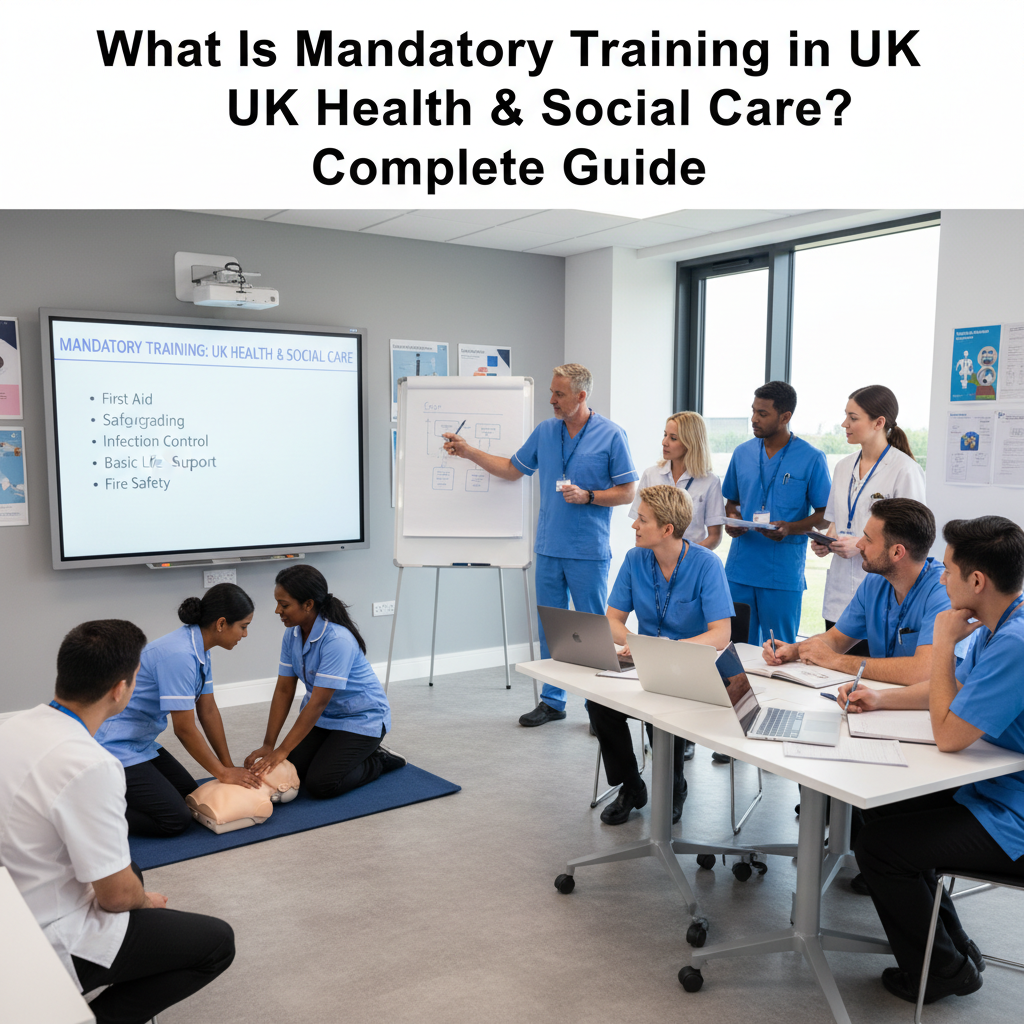
The specific content of mandatory training can vary significantly depending on the care setting (e.g., residential, domiciliary, nursing home), the roles of the staff, and the needs of the service users. However, there are core subjects that are almost universally required across the uk care sector. It’s helpful to categorise these to understand the breadth of requirements.
Generally, mandatory training can be broadly divided into two types:
- Statutory Training: This is training that is legally required by specific legislation (e.g., Health and Safety at Work Act 1974).
- Essential/Organisational Training: This is training deemed essential by the employer based on their specific service, risk assessments, and regulatory guidance (e.g., CQC Fundamental Standards). While not always explicitly statutory, it is often implicitly required to meet legal duties of care and regulatory expectations.
Here are common categories and examples of social care training topics:
Statutory & Regulatory Compliance
- Health and Safety: Covers general workplace safety, risk assessment, accident reporting (RIDDOR), and creating a safe environment.
- Fire Safety: Includes fire prevention, evacuation procedures, use of fire extinguishers, and understanding fire safety equipment.
- Control of Substances Hazardous to Health (COSHH): Training on safely handling, storing, and disposing of hazardous substances.
- Food Hygiene (where applicable): Essential for staff involved in preparing or serving food to prevent foodborne illnesses.
Clinical & Practical Skills
- Basic Life Support (BLS) / First Aid: Crucial skills for responding to medical emergencies, including CPR and choking.
- Moving and Handling of People: Teaches safe techniques for assisting individuals with mobility, preventing injury to both staff and service users.
- Infection Prevention and Control: Covers hand hygiene, use of Personal Protective Equipment (PPE), waste disposal, and preventing the spread of infections.
- Medication Management: For staff involved in administering or assisting with medication, covering safe practices, documentation, and common pitfalls.
- Pressure Area Care: Understanding how to prevent and manage pressure ulcers.
- Dementia Awareness: Providing staff with an understanding of dementia and person-centred approaches to care.
Safeguarding & Ethical Practice
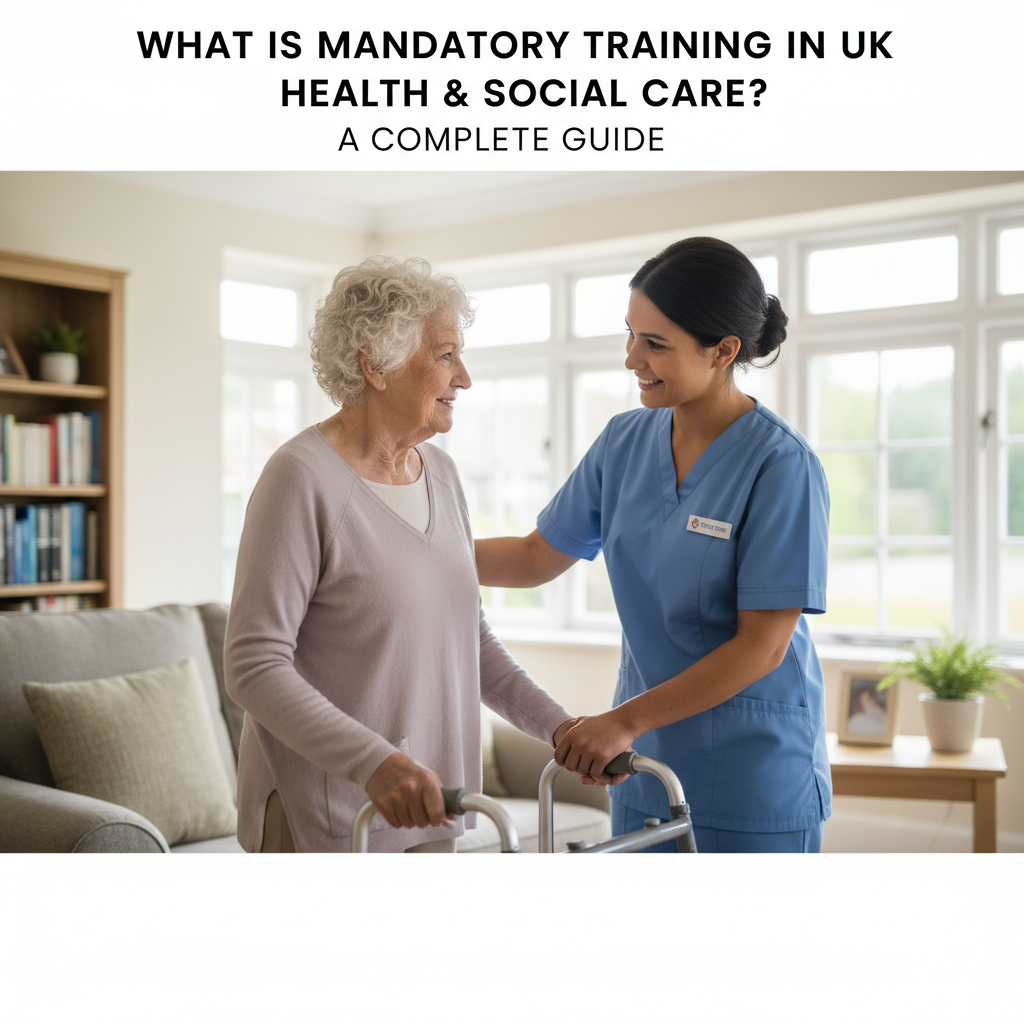
- Safeguarding Adults at Risk: Essential training on identifying, reporting, and responding to abuse or neglect of vulnerable adults.
- Safeguarding Children (where applicable): Similar to adult safeguarding, focusing on the protection of children.
- Mental Capacity Act (MCA) & Deprivation of Liberty Safeguards (DoLS): Training on assessing capacity, making best interest decisions, and understanding legal frameworks for restricting liberty.
- Dignity and Respect: Emphasises person-centred care, promoting independence, privacy, and choice.
- Equality, Diversity, and Inclusion: Ensures staff understand and respect individual differences, promoting inclusive practices.
Communication & Professionalism
- Effective Communication: Skills for clear, empathetic communication with service users, families, and colleagues.
- Record Keeping and Documentation: Training on accurate, concise, and confidential record-keeping, vital for continuity of care and legal compliance.
- Data Protection (GDPR): Understanding how to handle personal data securely and confidentially.
It is vital for care providers to conduct regular training needs assessments to identify which of these, and potentially other specialist topics, are relevant to their specific service and staff roles. For instance, a care worker in a learning disability service will require different specialist training compared to one in an elderly residential home, though many core mandatory training elements will overlap.
The Dynamic Nature of Mandatory Training: Beyond a Checklist
While the list above provides a comprehensive overview, it’s crucial to understand that mandatory training is not a static, one-time event. The uk care sector is constantly evolving, with new research, best practices, legislation, and technologies emerging regularly. Therefore, training must be dynamic and ongoing.
Key aspects of this dynamic approach include:
- Refresher Training: Most mandatory subjects require periodic refreshers. For example, Basic Life Support and Moving & Handling are typically refreshed annually, while Safeguarding might be every two to three years. This ensures knowledge remains current and skills are maintained.
- Responding to New Legislation and Guidance: When new laws or CQC guidance are introduced, training programmes must be updated to reflect these changes. This requires vigilance from training leads and compliance teams.
- Individualised Training Needs: Beyond general mandatory requirements, individual staff members may have specific training needs based on their role, the service users they support, or identified development areas. Personalised training plans are key to fostering continuous professional development (CPD).
- Learning from Incidents and Near Misses: Any incidents or near misses within a service should trigger a review of relevant training. This allows organisations to identify gaps and implement targeted training to prevent recurrence.
Embracing this dynamic approach ensures that staff are always equipped with the most current and relevant knowledge, contributing to a culture of continuous learning and improvement.
Implementing and Managing Mandatory Training Effectively
For care providers, managers, and training leads, the effective implementation and management of social care training is a complex but critical task. A well-structured approach can streamline processes, ensure compliance, and maximise the impact of training.
Conducting a Comprehensive Training Needs Assessment
Before any training begins, it’s essential to identify what training is actually needed. This involves:
- Reviewing job roles and responsibilities.
- Analysing service user needs and specific risks.
- Consulting regulatory requirements (CQC, HSE).
- Considering organisational policies and procedures.
- Assessing existing staff competencies and identifying gaps.
Choosing Appropriate Training Delivery Methods
Training can be delivered in various ways, each with its advantages:
- Online/E-learning: Offers flexibility, cost-effectiveness, and consistency. Ideal for knowledge-based subjects like GDPR, Dignity, or basic Safeguarding.
- Face-to-Face/Classroom: Essential for practical skills (e.g., Moving & Handling, Basic Life Support) and subjects requiring interactive discussion or role-play.
- Blended Learning: Combines online modules with practical in-person sessions, offering the best of both worlds.
- On-the-Job Training/Supervision: Practical application of learned skills, supported by experienced colleagues or supervisors.
Robust Record Keeping and Tracking
Accurate and accessible records are vital for demonstrating compliance during inspections and audits. A robust system should track:
- Who has completed which training.
- When training was completed.
- When refresher training is due.
- Training outcomes and competency assessments.
Many organisations in the uk care sector utilise Learning Management Systems (LMS) to manage this efficiently.
Ensuring Competency and Application
Completion of a course certificate doesn’t automatically equate to competence. Effective training programmes include:
- Assessment: Testing knowledge and understanding.
- Practical Demonstration: For skills-based training, observing staff applying techniques correctly.
- Supervision and Mentoring: Ongoing support to embed learning into daily practice.
- Feedback Mechanisms: Allowing staff to provide feedback on training effectiveness.
Integrating Training into Organisational Culture
Training should not be seen as an isolated event but as an integral part of an organisation’s commitment to quality and safety. This involves:
- Developing clear training policies and procedures.
- Allocating sufficient time and resources for training.
- Promoting a learning culture where staff feel encouraged to develop.
- Regularly reviewing and updating the training matrix.
The Risks of Non-Compliance with Mandatory Training

Neglecting mandatory training carries significant risks that can severely impact service users, staff, and the care organisation itself. In the highly regulated uk care sector, these risks are not merely theoretical but have tangible and serious consequences.
- Compromised Service User Safety: Untrained or inadequately trained staff are more prone to making errors, leading to incidents, injuries, or even fatalities. This is the most severe and direct consequence.
- Regulatory Enforcement Action: The CQC rigorously inspects training records and staff competence. Non-compliance can lead to warning notices, conditions on registration, fines, or even cancellation of registration. This can severely impact an organisation’s ability to operate.
- Legal Liabilities: In cases of serious harm or neglect linked to inadequate training, organisations and individuals could face civil claims for damages or even criminal prosecution under health and safety legislation.
- Reputational Damage: Negative inspection reports, publicised incidents, or poor care quality due to training deficiencies can severely damage an organisation’s reputation, making it difficult to attract new service users or recruit skilled staff.
- Low Staff Morale and High Turnover: Staff who feel unprepared or unsupported by adequate training can experience increased stress, reduced confidence, and a higher likelihood of leaving their roles, exacerbating recruitment and retention challenges.
- Financial Penalties: Beyond CQC fines, incidents caused by lack of training can lead to increased insurance premiums, legal costs, and compensation payouts.
These risks underscore why a proactive, comprehensive approach to mandatory training is not just good practice, but an absolute necessity for any responsible care provider.
Choosing the Right Training Partner: What to Look For
Many care providers in the uk care sector partner with external organisations to deliver their social care training. When selecting a training provider, it’s crucial to look for specific qualities to ensure the training is effective, relevant, and compliant.
- CQC Alignment: Ensure the provider’s content aligns with CQC Fundamental Standards and KLOEs (Key Lines of Enquiry).
- Expertise and Experience: Look for trainers with practical experience in health and social care, who understand the sector’s unique challenges.
- Quality Assurance: Check for accreditation, robust course development processes, and clear learning outcomes.
- Relevance and Customisation: Can the training be tailored to your specific service type and service user needs?
- Accessibility and Flexibility: Does the provider offer various delivery methods (online, in-person, blended) to suit your staff’s needs?
- Support and Resources: What ongoing support, resources, or record-keeping tools do they offer?
- Value for Money: While cost is a factor, prioritise quality and effectiveness over the cheapest option.
Conclusion: Upholding Excellence Through Ongoing Training
Mandatory training is the cornerstone of safe, high-quality care in the uk care sector. It is a continuous journey, not a destination, requiring ongoing commitment, investment, and adaptation from all care providers. By embracing a proactive and comprehensive approach to social care training, organisations not only meet their legal and regulatory obligations but also empower their staff, enhance service user safety, and foster a culture of excellence.
For care managers, training leads, and compliance teams, understanding the nuances of what constitutes mandatory training, how to implement it effectively, and the severe risks of non-compliance is fundamental. Investing in robust, relevant, and ongoing training is an investment in the well-being of service users, the professionalism of staff, and the long-term success and reputation of the care service. It ensures that every individual receiving care in the UK benefits from the highest possible standards of support and compassion.
Frequently asked questions
What is mandatory training in UK health and social care?
Mandatory training refers to the essential education and training that all staff in UK health and social care settings must complete to ensure they have the necessary skills and knowledge to perform their roles safely and effectively. This training is often legally required or mandated by regulatory bodies.
Why is mandatory training important?
Mandatory training is crucial for several reasons: it ensures patient and service user safety, maintains high standards of care, complies with legal and regulatory requirements, reduces risks, and promotes a competent and confident workforce. It covers critical areas like safeguarding, first aid, and health and safety.
How often should mandatory training be updated?
The frequency of mandatory training updates varies depending on the specific subject and regulatory guidelines. Generally, many modules require annual refreshers, while others might be every two or three years. It's essential for organisations to keep track of these cycles and ensure staff remain compliant with the latest standards and practices.