Meeting CQC Training Requirements in Care Homes: A Comprehensive Guide
How to Meet CQC Training Requirements in Care Homes
Meeting CQC training requirements in care homes is not merely about ticking boxes; it’s about cultivating a highly skilled, confident, and compassionate workforce capable of delivering outstanding person-centred care. For care providers, managers, and compliance teams across the UK, understanding and implementing a robust training strategy is fundamental to achieving and maintaining CQC compliance. This article will guide you through the essential steps, practical considerations, and strategic approaches to ensure your care home training programme not only meets regulatory expectations but genuinely enhances the quality of care provided.
The Care Quality Commission (CQC) expects care homes to have a well-trained staff team that can meet the diverse needs of their residents safely and effectively. This means going beyond basic induction to foster continuous professional development, ensuring all staff possess the necessary knowledge, skills, and competencies relevant to their roles and the specific needs of the individuals they support. A proactive and systematic approach to care home training is the cornerstone of good governance and a positive inspection outcome.
Understanding CQC’s Role in Training and Competency
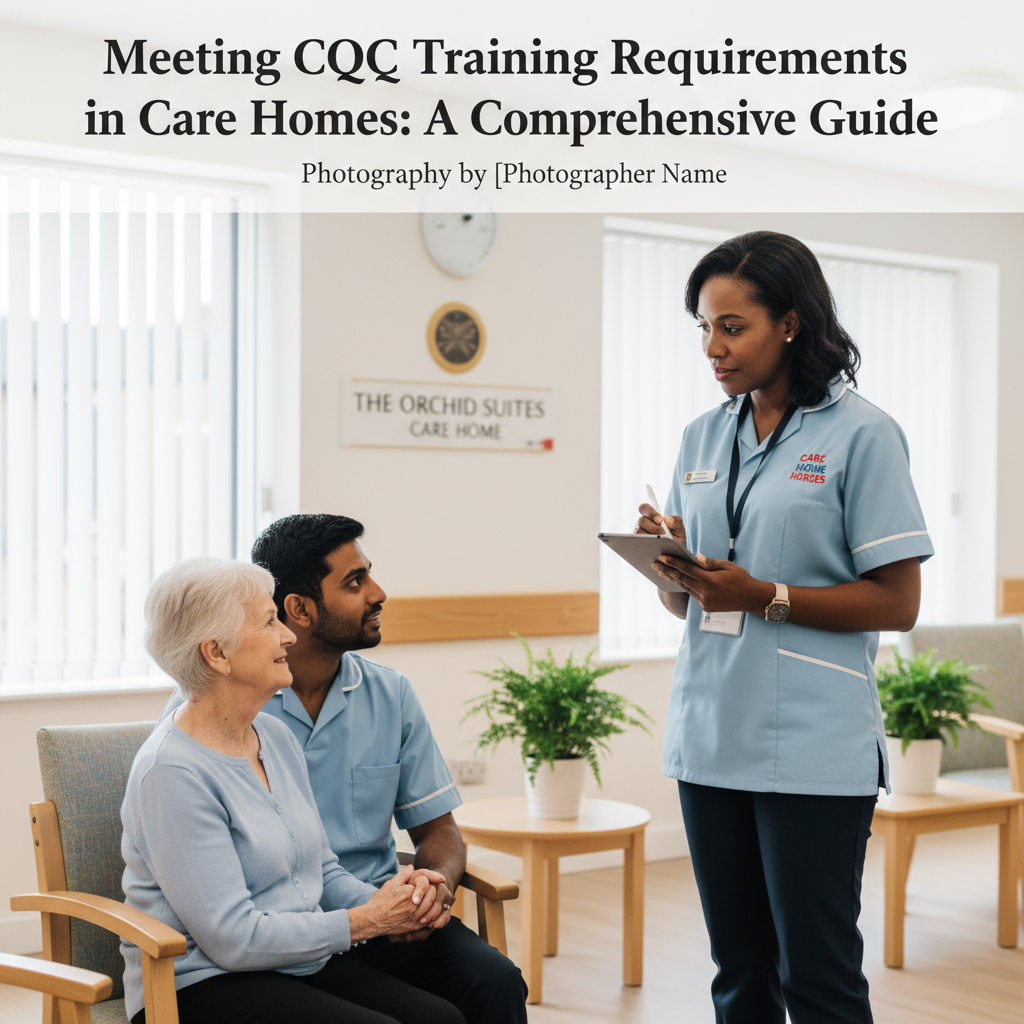
The CQC, as the independent regulator of health and social care in England, does not prescribe a definitive list of mandatory training courses. Instead, it focuses on outcomes, assessing whether care providers have a workforce that is “suitably qualified, competent, and experienced” to meet the needs of people using the service. This is primarily outlined in the Health and Social Care Act 2008 (Regulated Activities) Regulations 2014, particularly:
- Regulation 18: Staffing – Requires providers to deploy sufficient numbers of suitably qualified, competent, skilled, and experienced staff to meet the needs of people using the service at all times.
- Regulation 17: Good Governance – Mandates effective systems and processes to ensure compliance with the fundamental standards, which includes robust systems for assessing, monitoring, and improving the quality and safety of the services provided, including staff training and development.
Essentially, the CQC wants to see evidence that your staff are competent to perform their roles safely and effectively, and that you have systems in place to ensure this competency is maintained and developed. This requires a strategic approach to care home training that is tailored to your specific service and resident population.
The Core Pillars of CQC Compliant Training
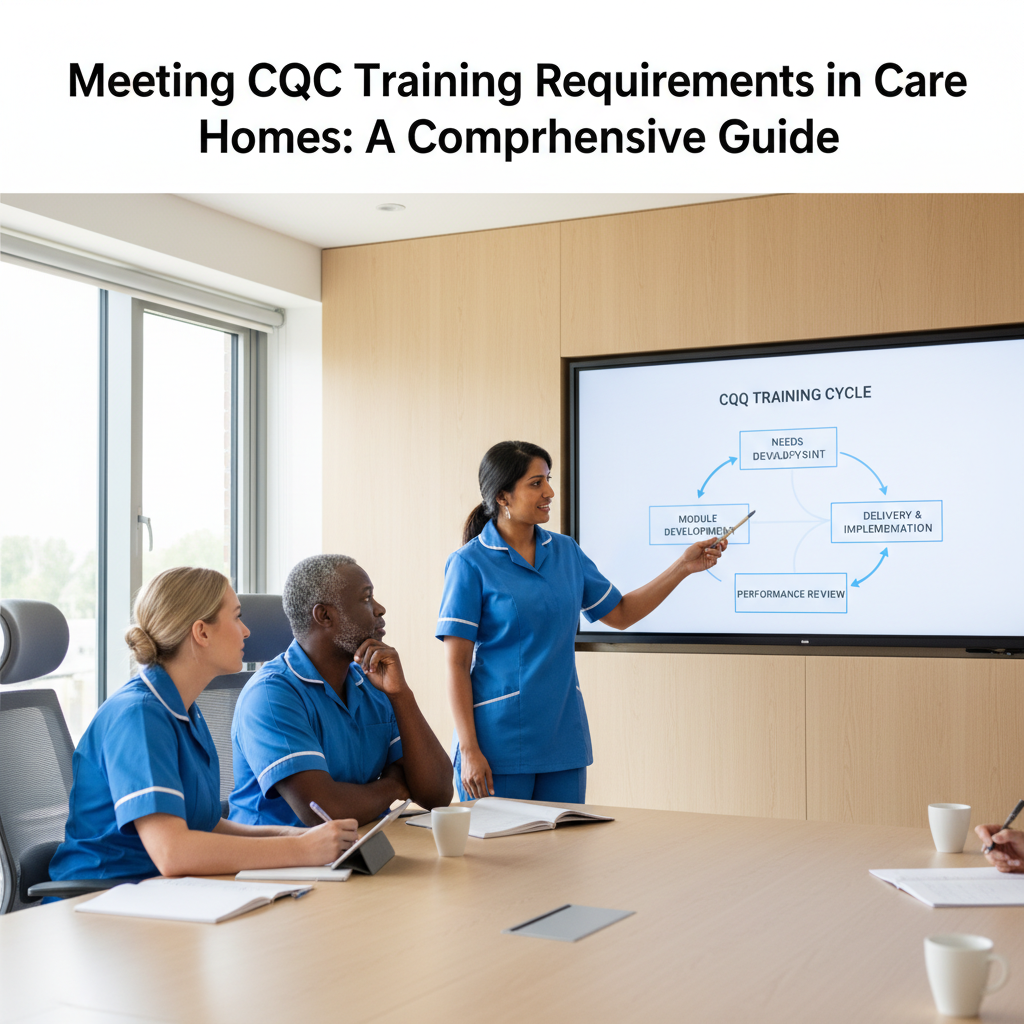
Achieving and maintaining CQC compliance in training involves a continuous cycle of assessment, delivery, recording, and review. These five core pillars form the foundation of an effective care home training strategy.
Comprehensive Training Needs Analysis (TNA)
The starting point for any effective training programme is a thorough Training Needs Analysis (TNA). This isn’t a one-off exercise but an ongoing process to identify the knowledge, skills, and competency gaps within your team.
A robust TNA should consider:
- Individual Roles and Responsibilities: What specific skills does each role require? (e.g., care assistant, senior care assistant, nurse, activities coordinator).
- Service User Needs: What are the specific health conditions, communication needs, cultural backgrounds, and preferences of your residents? (e.g., high prevalence of dementia, complex physical needs, end-of-life care).
- CQC Fundamental Standards: How does your current staff competency align with the CQC’s expectations for safe, effective, caring, responsive, and well-led services?
- Organisational Goals and Policies: Are there new services being introduced, or changes in policy that require staff upskilling?
- Incident and Accident Reports: Do recurring incidents highlight specific training gaps (e.g., falls, medication errors, safeguarding concerns)?
- Staff Feedback and Appraisals: What development areas do staff themselves identify?
By systematically identifying these needs, you can ensure your training budget and efforts are directed where they will have the most impact, moving beyond generic training to truly relevant and impactful learning.
Structured Training Programme Development
Once needs are identified, the next step is to design a structured training programme. This should encompass a blend of mandatory, service-specific, and developmental training.
- Mandatory Training: These are the essential courses required for all staff to ensure basic safety and compliance. Examples typically include:
- Basic Life Support (BLS) / First Aid
- Moving and Handling
- Safeguarding Adults and Children (Level 1 & 2)
- Infection Prevention and Control
- Fire Safety
- Food Hygiene (if applicable)
- Mental Capacity Act (MCA) and Deprivation of Liberty Safeguards (DoLS)
- Data Protection (GDPR)
- Health and Safety
- Service-Specific Training: Tailored to the unique needs of your residents and the services you provide. This might include:
- Dementia Awareness and Care
- End-of-Life Care and Palliative Care
- Medication Management (for relevant staff)
- Diabetes Awareness
- Stoma Care, Catheter Care, PEG Feeding (for staff supporting residents with these needs)
- Communication Skills (e.g., for residents with sensory impairments)
- Developmental Training: Supports career progression and enhances overall service quality, such as leadership and management skills, advanced communication, or specialist clinical skills.
It’s crucial to establish clear refresher cycles for all training, typically annually or every two to three years, depending on the subject matter and regulatory guidance.
Effective Delivery Methods
The method of training delivery significantly impacts its effectiveness. A blended learning approach often yields the best results.
- Online Learning (eLearning): Offers flexibility and consistency, ideal for knowledge-based mandatory training. Platforms like CareDemy UK provide CQC-aligned courses accessible anytime, anywhere.
- In-Person Training: Essential for practical skills (e.g., Moving and Handling, BLS) and for subjects requiring interactive discussion, role-play, or complex problem-solving.
- Supervised Practice and Competency Assessments: Crucial for ensuring skills learned are applied effectively in practice. This involves direct observation, mentorship, and sign-off by a competent supervisor.
- Toolbox Talks and Team Meetings: Short, focused sessions to reinforce learning, discuss specific incidents, or introduce new policies.
Ensure trainers are qualified, experienced, and engaging. The learning environment should be supportive and encourage questions and participation.
Robust Record Keeping and Monitoring

Meticulous record-keeping is non-negotiable for CQC compliance. It provides the evidence that your staff are trained and competent.
Your records should clearly show:
- Who has completed which training.
- The date of completion.
- The results of any assessments or competency checks.
- When refresher training is due.
- Evidence of practical application and competency sign-off where relevant.
Utilising a Learning Management System (LMS) can significantly streamline this process, providing a centralised, auditable record of all staff training, automated reminders for refreshers, and comprehensive reporting capabilities. This allows managers to quickly identify training gaps and demonstrate compliance during inspections.
Continuous Review and Improvement
Training is not a static activity. It requires continuous review and adaptation to remain effective and compliant.
- Regular Audits: Periodically review your training records and programme against your TNA and CQC expectations.
- Feedback Mechanisms: Gather feedback from staff on the quality and relevance of training. Solicit feedback from residents and their families on the impact of staff skills on their care experience.
- Incident Analysis: Use insights from incidents, accidents, and safeguarding concerns to identify new or recurring training needs.
- Policy and Guidance Updates: Stay abreast of changes in CQC guidance, legislation, and best practice in health and social care. Adjust your training programme accordingly.
- Performance Reviews: Integrate training needs and achievements into staff appraisals and supervision.
This iterative process ensures your care home training programme remains dynamic, responsive, and continuously improves the quality and safety of your service.
Key Areas of Focus for CQC Training Requirements
While all training is important, certain areas consistently receive close scrutiny from the CQC due to their direct impact on resident safety and well-being.
- Safeguarding Adults and Children: Ensuring all staff understand their roles and responsibilities in identifying, reporting, and preventing abuse and neglect is paramount. This includes understanding different types of abuse and local safeguarding procedures.
- Medication Management: For staff involved in administering medication, comprehensive training on safe storage, administration, record-keeping, and understanding common medications and their side effects is critical. Competency assessments are vital here.
- Infection Prevention and Control (IPC): Especially post-pandemic, robust IPC training, including hand hygiene, PPE use, waste management, and outbreak management, is essential for protecting residents and staff.
- Moving and Handling: Proper training in safe moving and handling techniques protects both residents from injury and staff from musculoskeletal disorders. Practical competency is key.
- Mental Capacity Act (MCA) and Deprivation of Liberty Safeguards (DoLS): Staff must understand the principles of the MCA, how to assess capacity, act in a person’s best interests, and recognise when a DoLS authorisation may be required. This is crucial for protecting residents’ rights and autonomy.
- Dementia Care: With a significant proportion of care home residents living with dementia, specialised training in person-centred dementia care, communication techniques, and understanding challenging behaviours is vital for providing compassionate and effective support.
Common Pitfalls in CQC Training Compliance
Even with good intentions, care homes can fall short of CQC expectations if they encounter common pitfalls:
- ‘Tick-Box’ Approach: Simply completing courses without ensuring understanding or practical application. CQC inspectors look for evidence of competency, not just certificates.
- Generic Training: Using one-size-fits-all training that doesn’t address the specific needs of your residents or the roles of your staff.
- Poor Record-Keeping: Incomplete, disorganised, or inaccessible training records make it impossible to demonstrate compliance.
- Lack of Refresher Training: Skills and knowledge degrade over time; failing to provide regular refreshers can lead to competency gaps.
- Ignoring Feedback or Incident Trends: Not using internal data (incidents, complaints, staff feedback) to inform and improve the training programme.
- Insufficient Practical Application: Training that is purely theoretical without opportunities for supervised practice and competency assessment, especially for hands-on skills.
- Inadequate Induction: A weak induction programme can leave new staff unprepared and create immediate compliance risks.
Partnering for Success: How CareDemy UK Supports Your CQC Compliance
Navigating the complexities of CQC training requirements can be challenging, but you don’t have to do it alone. CareDemy UK offers a comprehensive suite of online care home training courses specifically designed to help care providers meet their CQC compliance obligations and enhance staff competency.
Our platform provides:
- CQC-Aligned Content: Our courses are developed by experts in health and social care, ensuring they cover the essential knowledge and skills required by the CQC’s fundamental standards and relevant regulations.
- Extensive Course Library: From mandatory training like Safeguarding and Moving & Handling to specialised courses in Dementia Care and Medication Management, we offer a wide range of topics to meet diverse needs.
- Flexible Learning: Our online format allows staff to learn at their own pace, at a time and place that suits them, minimising disruption to care delivery.
- Robust Reporting and Tracking: Our intuitive Learning Management System (LMS) provides detailed records of course completion, assessment results, and upcoming refreshers, making it easy to demonstrate compliance during inspections.
- Cost-Effective Solutions: High-quality training doesn’t have to break the bank. CareDemy offers flexible pricing models to suit care homes of all sizes.
By partnering with CareDemy UK, you can ensure your staff receive up-to-date, relevant, and engaging training that supports your commitment to delivering outstanding care and achieving excellent CQC outcomes.
Conclusion
Meeting CQC training requirements is an ongoing journey, not a destination. It demands a strategic, proactive, and person-centred approach to care home training that prioritises the continuous development of your staff. By implementing a robust Training Needs Analysis, developing a structured programme, utilising effective delivery methods, maintaining meticulous records, and committing to continuous review, care providers can build a highly competent workforce. This not only ensures CQC compliance but, more importantly, fosters a culture of excellence, safety, and compassionate care for every resident. Invest in your staff’s development, and you invest directly in the quality and future of your care home.
Frequently asked questions
What are the CQC's main expectations for staff training in care homes?
The CQC does not provide a definitive list of mandatory courses but instead focuses on outcomes, expecting care providers to have a workforce that is suitably qualified, competent, and experienced to meet residents' needs. This aligns with Regulation 18 (Staffing) and Regulation 17 (Good Governance) of the Health and Social Care Act 2008.
How can a care home effectively identify training needs for its staff?
Care homes should conduct regular training needs assessments, considering individual staff roles, resident needs, CQC guidance, and any new regulations or best practices. This can involve appraisals, supervision, incident reviews, and feedback from residents and families.
What are the consequences of inadequate staff training according to the CQC?
Inadequate staff training can lead to poor care outcomes, breaches of CQC regulations, and potential enforcement actions, including warning notices, conditions on registration, or even prosecution in severe cases. It also impacts staff morale and retention.