

Top Care Worker Skills for 2026: Essential Health & Social Care Competencies
The health and social care sector in the UK is undergoing rapid transformation. As we look towards 2026, the demands on care workers are evolving, requiring a dynamic set of skills to meet increasingly complex needs and leverage new technologies. For care providers, managers, and individual care workers, understanding and developing these crucial competencies is paramount for delivering high-quality, person-centred care. The top care skills for 2026 will blend traditional compassionate care with advanced digital literacy, enhanced communication, and robust adaptability, ensuring that health and social care professionals are well-equipped for the future.
This article will delve into the essential care worker skills that will define excellence in the coming years. We’ll explore not just what these skills are, but why they are vital, offering practical insights for anyone involved in health and social care training, delivery, or management. By focusing on these key areas, organisations can proactively prepare their workforce, improve service quality, and ensure compliance, while individual care workers can enhance their professional development and career prospects within the evolving landscape of health and social care skills.
The Evolving Landscape of UK Health and Social Care
The UK’s health and social care sector faces a confluence of challenges and opportunities. An ageing population, coupled with an increase in complex and long-term conditions, places significant pressure on services. Simultaneously, technological advancements are reshaping how care is delivered, from digital care records to remote monitoring and assistive technologies. Integrated care systems are becoming more prevalent, requiring greater collaboration across different health and social care settings.
These shifts necessitate a workforce that is not only compassionate and dedicated but also highly skilled and adaptable. The traditional model of care is giving way to a more proactive, preventative, and personalised approach. This evolution demands a continuous focus on professional development and a strategic investment in the care skills that will empower workers to thrive in this dynamic environment. Preparing for 2026 means anticipating these changes and equipping care professionals with the tools they need to excel.
Core Skills for 2026 and Beyond
To navigate the complexities of modern care, health and social care workers will need a robust and diverse skill set. These core competencies go beyond basic care tasks, encompassing a blend of technical proficiency, interpersonal finesse, and personal resilience.
Digital Literacy and Technological Proficiency
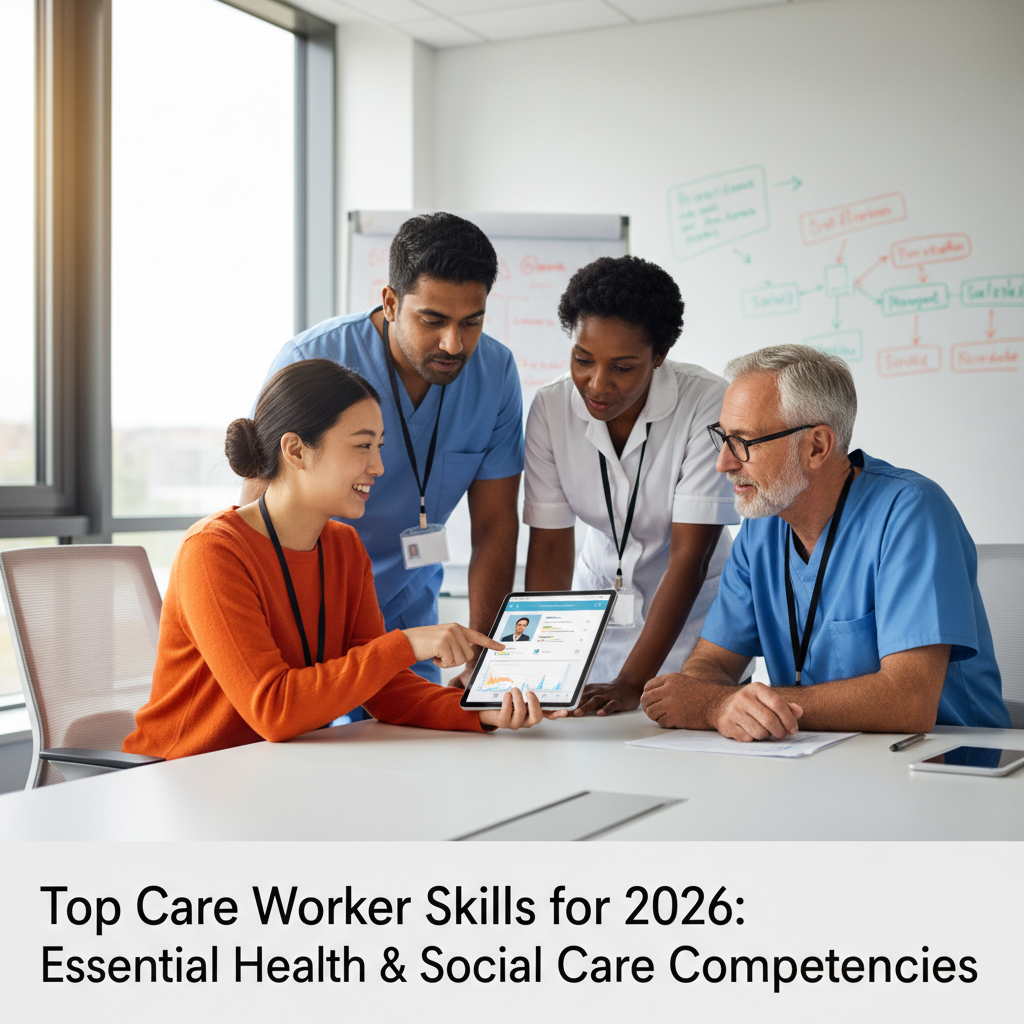
The digital transformation of health and social care is accelerating. By 2026, a strong grasp of digital tools will be non-negotiable for all care workers. This includes proficiency in using electronic care planning systems, digital medication administration records (eMAR), and remote monitoring technologies. Understanding how to securely access, input, and manage client data is crucial for efficiency, accuracy, and compliance with data protection regulations like GDPR.
Care workers will increasingly interact with telehealth platforms, virtual consultations, and smart home technologies designed to support independent living. Training in these areas is vital, not just for operational effectiveness but also for ensuring clients can benefit fully from technological advancements. This skill set also extends to understanding cybersecurity basics to protect sensitive information and maintain trust.
Enhanced Communication and Interpersonal Skills
Effective communication remains the bedrock of quality care, but its demands are becoming more nuanced. Care workers need exceptional active listening skills, empathy, and the ability to interpret non-verbal cues, especially when supporting individuals with communication difficulties, such as those living with dementia, learning disabilities, or sensory impairments. Tailoring communication styles to individual needs and preferences is paramount for person-centred care.
Beyond client interactions, strong interpersonal skills are essential for collaborating within multi-disciplinary teams, liaising with families, and communicating effectively with other health professionals. This includes clear, concise verbal and written communication, conflict resolution, and the ability to de-escalate challenging situations with sensitivity and professionalism.
Person-Centred Care and Personalisation
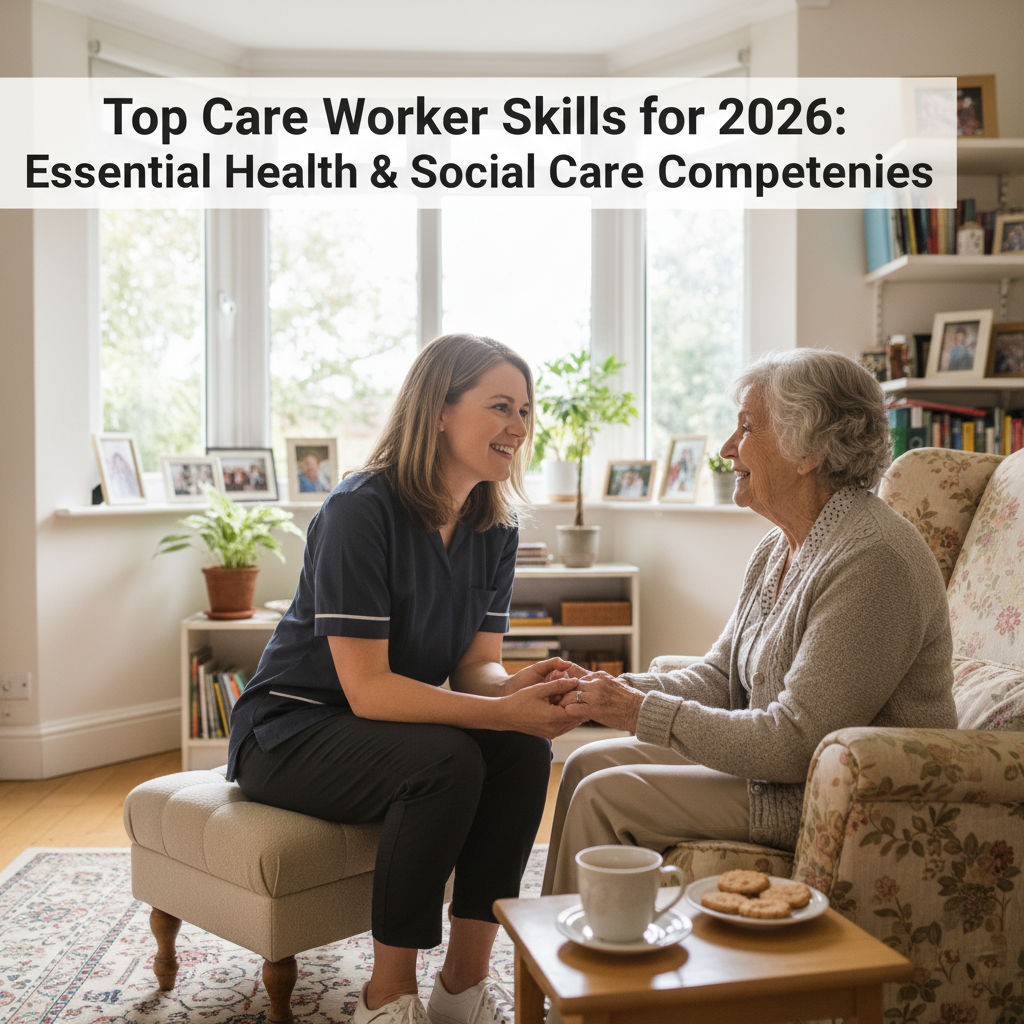
The move towards truly person-centred care is a fundamental shift, placing the individual’s preferences, values, and goals at the heart of all care decisions. By 2026, care workers must be adept at co-producing care plans with clients, ensuring their voice is heard and respected. This involves understanding diverse cultural backgrounds, beliefs, and life experiences, and adapting care delivery accordingly.
Promoting independence, choice, and dignity is central to this approach. Care workers need to be skilled in empowering individuals to make their own decisions, supporting them to maintain their identity, and facilitating their participation in activities that are meaningful to them. This requires a deep understanding of individual needs, a non-judgmental attitude, and a commitment to upholding human rights.
Adaptability and Resilience
The health and social care sector is characterised by constant change – new policies, evolving client needs, technological updates, and unforeseen challenges. Care workers in 2026 will need to be highly adaptable, capable of embracing new ways of working and adjusting to dynamic environments. This includes a willingness to learn new skills, adopt new technologies, and respond flexibly to changing care plans or emergency situations.
Alongside adaptability, resilience is crucial. Working in care can be emotionally and physically demanding. Developing strategies for stress management, maintaining professional boundaries, and practising self-care are essential for preventing burnout and sustaining a long, fulfilling career. Resilient care workers are better equipped to cope with challenging situations, maintain a positive outlook, and continue providing high-quality care.
Clinical and Practical Competencies
While many care workers operate outside of traditional clinical settings, a solid foundation in practical care competencies remains vital. This includes up-to-date training in basic life support and first aid, ensuring immediate and appropriate responses in emergencies. Safe medication management, encompassing accurate administration, record-keeping, and understanding potential side effects, is a critical responsibility.
Infection prevention and control (IPC) practices are more important than ever, requiring diligent adherence to protocols to protect both clients and staff. Proper moving and handling techniques are essential for client safety and to prevent injuries to care workers. Furthermore, an increasing number of care workers are providing specialised care, such as supporting individuals with dementia, palliative care needs, or complex mental health conditions, requiring specific training and ongoing professional development in these areas.
Safeguarding and Ethical Practice
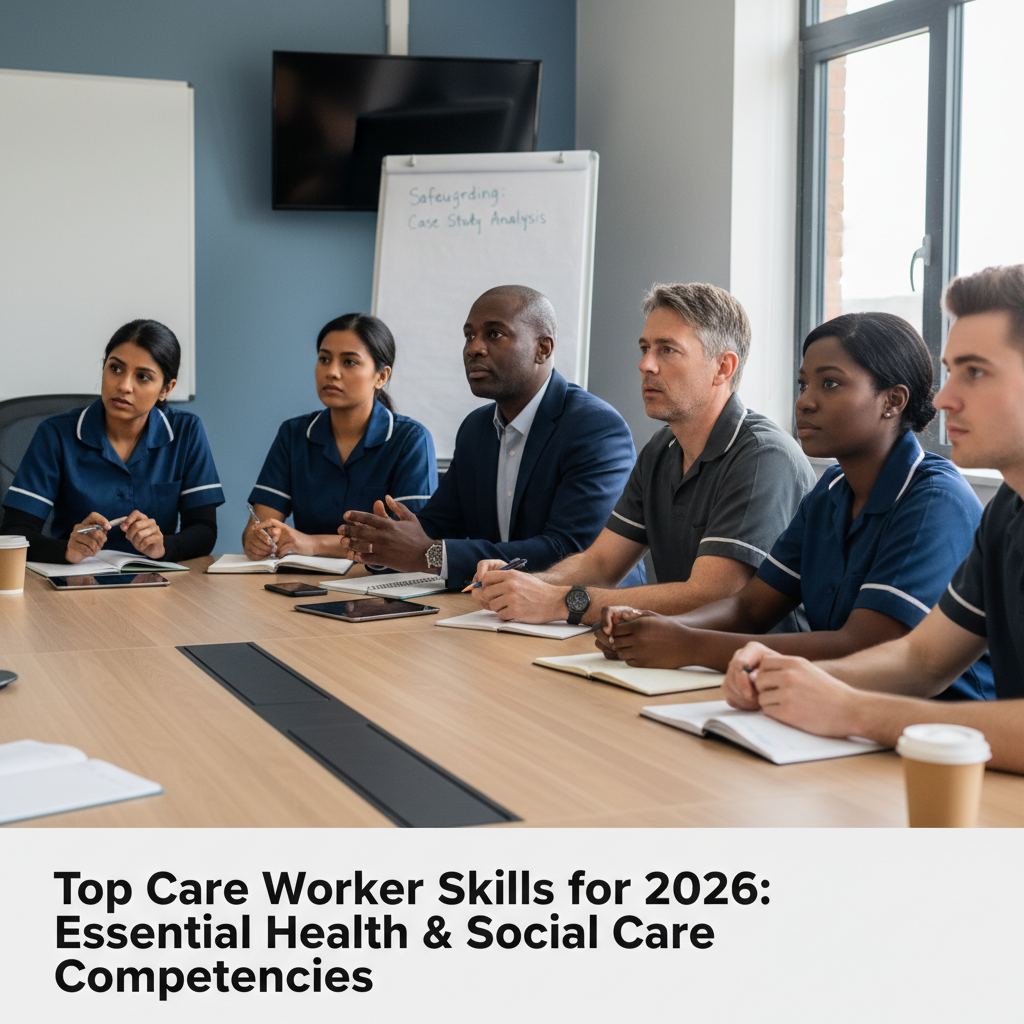
Upholding safeguarding principles and maintaining ethical practice are non-negotiable aspects of health and social care. Care workers must have a comprehensive understanding of different types of abuse and neglect, how to recognise the signs, and the correct procedures for reporting concerns. This includes awareness of both adult and child safeguarding frameworks.
Ethical practice extends to maintaining strict confidentiality, adhering to data protection guidelines (GDPR), and understanding professional boundaries. Care workers must act with integrity, honesty, and transparency, always prioritising the best interests of the individual while respecting their rights and choices. Regular training and refreshers in these areas are essential to ensure compliance and protect vulnerable individuals.
Teamwork and Collaboration
Modern care delivery is rarely a solitary endeavour. Effective teamwork and collaboration are crucial for providing holistic and seamless support. Care workers need to be skilled in working cooperatively within their immediate team, sharing information appropriately, and supporting colleagues. This fosters a positive working environment and ensures continuity of care.
Beyond the immediate team, collaboration often extends to multi-agency working, liaising with NHS professionals, social services, occupational therapists, and other community support networks. Understanding the roles of different professionals and knowing how to effectively communicate and coordinate care plans across various services is key to achieving integrated care outcomes and ensuring individuals receive comprehensive support.
Developing These Essential Skills: A Practical Approach
For care providers and managers, investing in the development of these care skills is not just a compliance requirement but a strategic imperative. For individual care workers, it’s an opportunity for professional growth and enhanced job satisfaction.
For Care Providers and Managers:
- Training Needs Analysis: Regularly assess your workforce’s current skills against the evolving demands of the sector. Identify gaps and prioritise training programmes.
- Continuous Professional Development (CPD): Implement a robust CPD framework that encourages ongoing learning. This could include e-learning modules, workshops, practical simulations, and access to specialist courses.
- Mentorship and Supervision: Establish mentorship programmes where experienced staff can guide newer colleagues. Regular, supportive supervision helps reinforce best practices and addresses individual development needs.
- Invest in Technology: Provide access to the necessary digital tools and ensure comprehensive training on their use. This includes electronic care planning systems, communication platforms, and assistive technologies.
- Foster a Learning Culture: Encourage a workplace environment where learning is valued, mistakes are seen as learning opportunities, and staff feel empowered to seek out new knowledge and skills.
For Care Workers:
- Proactive Learning: Take ownership of your professional development. Identify areas where you can improve and actively seek out training opportunities.
- Utilise Available Resources: Make the most of the training provided by your employer, including online courses, workshops, and practical sessions. Platforms like CareDemy UK offer a wide range of relevant courses.
- Seek Feedback: Regularly ask for feedback from supervisors, colleagues, and clients to understand your strengths and areas for improvement.
- Reflective Practice: Take time to reflect on your daily experiences. What went well? What could have been done differently? How can you apply new learning to future situations?
- Stay Informed: Keep up-to-date with sector news, policy changes, and best practice guidelines through professional bodies, publications, and online resources.
The Benefits of a Skilled Workforce
Investing in the care skills for 2026 yields significant benefits across the entire health and social care ecosystem. For clients, it means receiving higher quality, safer, and more personalised care that truly meets their needs and promotes their well-being. A skilled workforce is better equipped to handle complex situations, prevent adverse events, and enhance the overall client experience.
For care providers, a highly skilled team leads to improved CQC ratings, better compliance with regulatory standards, and a stronger reputation within the community. It also contributes to increased staff morale, reduced turnover, and a more resilient workforce capable of adapting to future challenges. Ultimately, a focus on developing these essential health and social care skills creates a more effective, efficient, and compassionate care sector for everyone.
Conclusion
The future of health and social care in the UK hinges on the continuous development of its workforce. The care skills for 2026 are not just a wish list but a practical roadmap for excellence. From digital literacy and enhanced communication to person-centred care and robust resilience, these competencies will empower care workers to deliver outstanding support in an ever-evolving landscape.
For care providers, managers, and individual care workers, embracing this journey of skill development is crucial. By proactively investing in training and fostering a culture of continuous learning, we can ensure that the UK’s health and social care sector remains at the forefront of compassionate, effective, and high-quality care. The dedication to enhancing these essential care worker skills will ultimately benefit those who rely on these vital services, creating a more supportive and responsive care environment for all.
Frequently asked questions
What are the most important skills health and social care workers will need by 2026?
By 2026, essential skills for health and social care workers will include digital literacy, enhanced communication, person-centred care, and adaptability, blending with traditional compassionate care.
Why is digital literacy becoming so crucial for care workers?
Digital literacy is vital for using electronic care planning systems, digital medication management, telehealth platforms, and accessing up-to-date patient information, improving efficiency and care quality.
How can care workers develop these new skills?
Care workers can develop new skills through continuous professional development programs, online courses, workshops, and on-the-job training provided by their employers, focusing on practical application.