
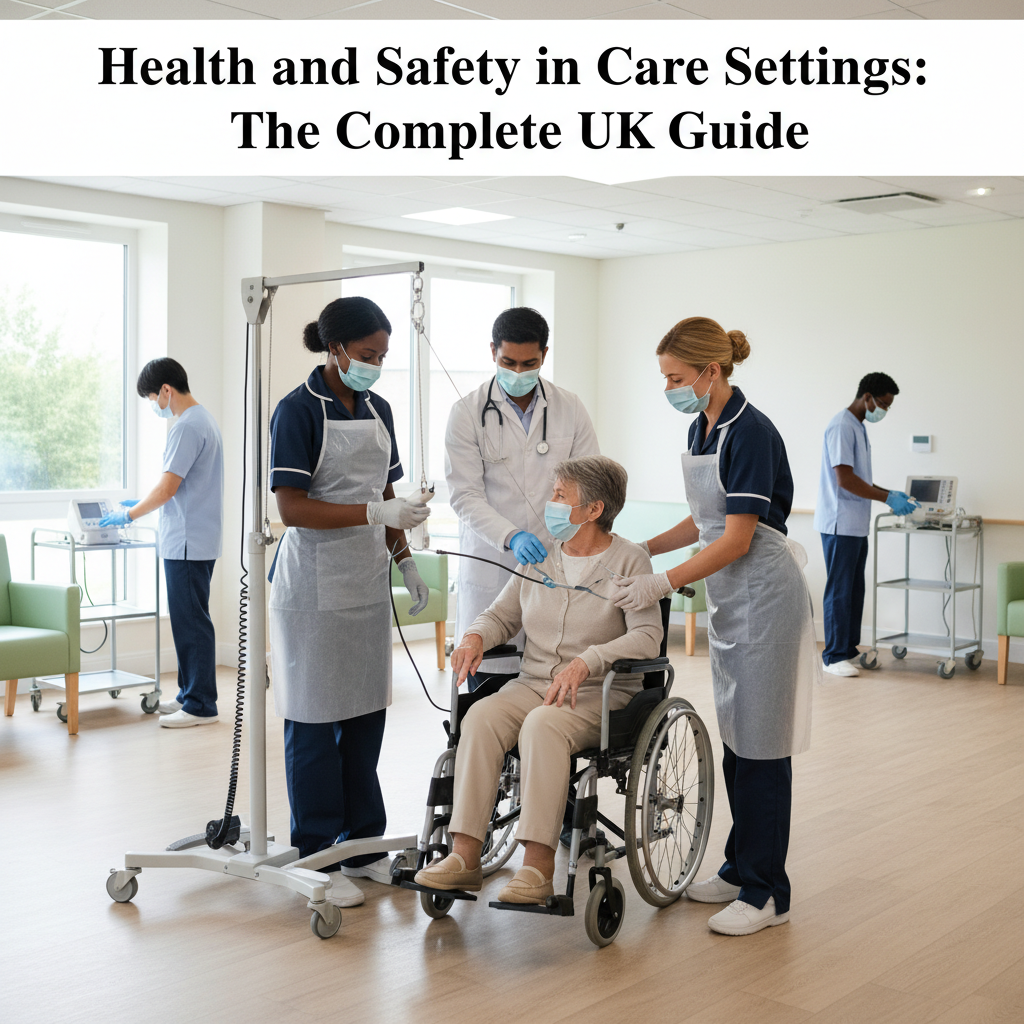
Health and Safety in Care Settings: The Complete UK Guide
In the demanding and compassionate world of care, ensuring the well-being of both those receiving care and those providing it is paramount. Health and safety in care settings is not merely a regulatory obligation; it is a fundamental ethical commitment that underpins quality care delivery. This comprehensive guide from CareDemy UK explores the essential principles, practices, and importance of maintaining robust health and safety standards within any care environment.
For care providers, managers, and frontline care workers across the UK, understanding and implementing effective health and safety measures is critical. It protects vulnerable individuals, safeguards staff, and ensures compliance with legal requirements. From managing risks to providing essential workplace safety training, a proactive approach to health and safety creates a secure, supportive, and high-quality care environment for everyone.
The Foundation of Health and Safety in Care Settings
Health and safety in care settings encompasses a wide range of practices and procedures designed to prevent harm, injury, and ill-health. This includes protecting residents from accidents, infections, and abuse, while also ensuring that staff are safe from workplace hazards such as manual handling injuries, exposure to hazardous substances, or violence and aggression.
The legal framework in the UK, primarily the Health and Safety at Work etc. Act 1974, places a duty on employers to ensure, so far as is reasonably practicable, the health, safety, and welfare of their employees and others who may be affected by their work activities. For care providers, this extends to the individuals they support. Compliance is not just about avoiding penalties; it’s about fostering a culture where safety is prioritised and embedded into every aspect of daily operations.
A robust health and safety framework in care settings contributes significantly to:
- Resident Well-being: Minimising risks of falls, infections, medication errors, and other incidents that could compromise their health and dignity.
- Staff Protection: Reducing the likelihood of injuries, stress, and exposure to hazards, leading to a healthier and more motivated workforce.
- Legal Compliance: Meeting statutory duties and avoiding potential enforcement actions, fines, or legal challenges.
- Organisational Reputation: Building trust with residents, families, and regulatory bodies, enhancing the care service’s standing.
- Operational Efficiency: Reducing incidents leads to fewer disruptions, lower costs associated with injuries or investigations, and improved service continuity.
Key Pillars of Health and Safety Management
Effective health and safety management in care settings requires attention to several critical areas. Each pillar demands specific procedures, regular review, and appropriate workplace safety training.
Risk Assessment: The Cornerstone of Safety
At the heart of all health and safety management is the process of risk assessment. This involves systematically identifying potential hazards, evaluating the likelihood and severity of harm, and implementing control measures to reduce risks to an acceptable level. For care settings, this means assessing risks related to:
- Individual Needs: Tailoring assessments to residents’ specific conditions, mobility, cognitive abilities, and behaviours.
- Environment: Identifying hazards in the physical environment, such as uneven flooring, poor lighting, or unsafe equipment.
- Tasks: Assessing risks associated with daily care tasks, including personal care, medication administration, and moving and handling.
- Substances: Evaluating risks from cleaning products, disinfectants, and other chemicals (COSHH).
Risk assessments must be documented, regularly reviewed (especially after incidents or changes in circumstances), and communicated to all relevant staff. They are dynamic documents that evolve with the needs of the care setting and its residents.
Manual Handling and Ergonomics
Moving and handling tasks are a significant source of injury for care workers. Safe manual handling practices are essential to protect both staff and residents. This involves:
- Training: Providing comprehensive manual handling training that covers safe techniques, use of equipment, and individual risk assessment.
- Equipment: Ensuring the availability and proper maintenance of hoists, stand aids, slide sheets, and other assistive devices.
- Ergonomics: Designing workspaces and tasks to minimise strain, such as adjusting bed heights or using trolleys for laundry.
- Individualised Plans: Developing specific moving and handling plans for residents based on their mobility and needs.
Infection Prevention and Control (IPC)
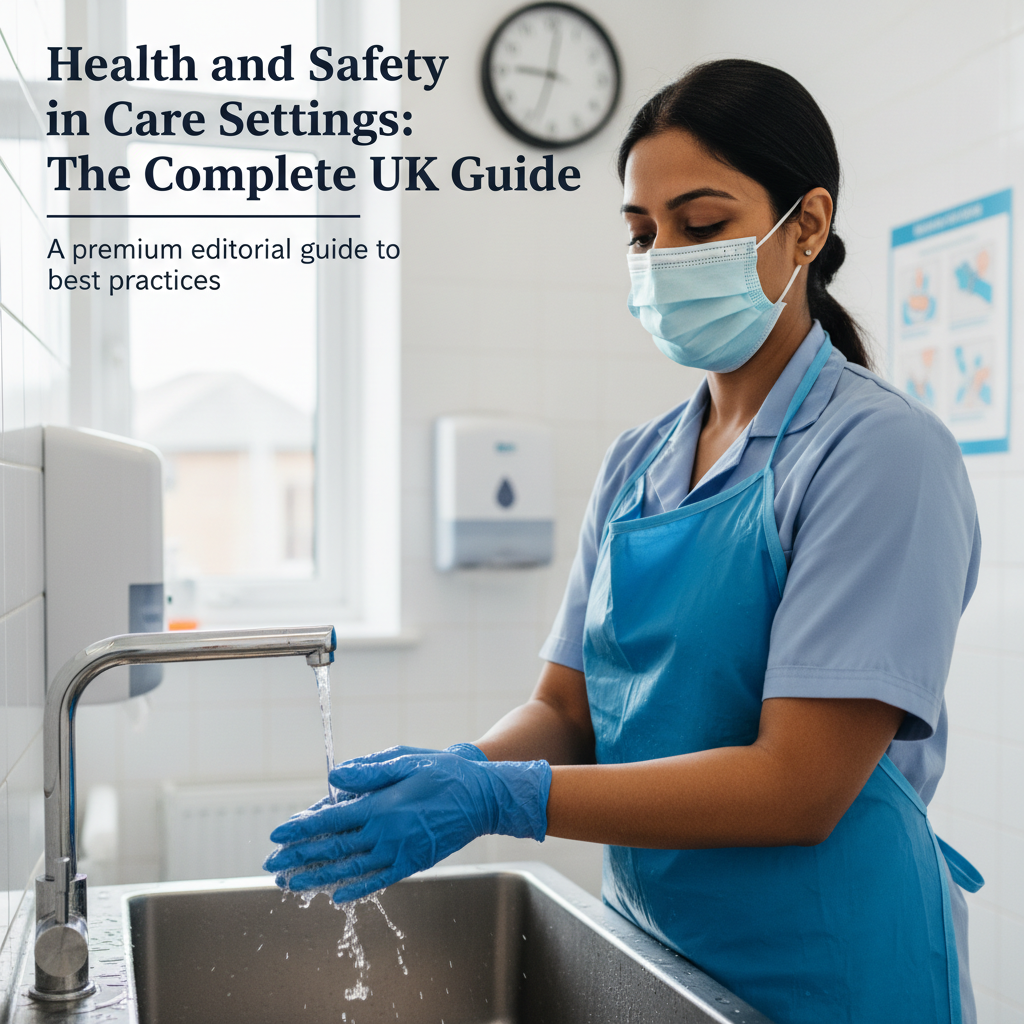
Preventing the spread of infections is vital in care settings, where residents may be more vulnerable. Key IPC measures include:
- Hand Hygiene: Strict adherence to handwashing protocols using soap and water or alcohol-based hand rub.
- Personal Protective Equipment (PPE): Correct use and disposal of gloves, aprons, masks, and eye protection.
- Environmental Cleaning: Regular and thorough cleaning and disinfection of surfaces and equipment.
- Waste Management: Safe segregation, storage, and disposal of clinical and general waste.
- Outbreak Management: Clear procedures for identifying, reporting, and managing infectious disease outbreaks.
Medication Management
Errors in medication administration can have serious consequences. Robust medication management systems are crucial:
- Safe Storage: Secure storage of medicines, including controlled drugs, at appropriate temperatures.
- Administration Protocols: Strict adherence to the ‘5 Rights’ of medication administration (right patient, right drug, right dose, right route, right time).
- Record Keeping: Accurate and timely documentation of all medication administered or refused.
- Competency: Ensuring all staff involved in medication administration are appropriately trained and assessed as competent.
- Disposal: Safe and compliant disposal of unused or expired medication.
Fire Safety
Fire safety is a critical concern in any building, especially care settings where residents may have limited mobility or cognitive impairment. Essential elements include:
- Risk Assessment: Regular fire risk assessments to identify hazards and implement control measures.
- Evacuation Plans: Clear, rehearsed, and accessible evacuation plans tailored to the needs of residents.
- Equipment: Maintenance of fire alarms, smoke detectors, emergency lighting, and fire extinguishers.
- Training: Regular fire safety training and drills for all staff, covering evacuation procedures and the use of equipment.
- Designated Roles: Clear roles and responsibilities for staff during a fire emergency.
Food Safety and Nutrition
Ensuring food is prepared, stored, and served safely is vital to prevent foodborne illnesses. This includes:
- Hygiene: High standards of personal hygiene for food handlers and cleanliness in kitchen areas.
- Storage: Correct temperature control for food storage (refrigeration, freezing, hot holding).
- Preparation: Safe cooking temperatures, prevention of cross-contamination, and allergen management.
- Dietary Needs: Catering for specific dietary requirements, allergies, and cultural preferences.
- Training: Food hygiene training for all staff involved in food preparation and service.
Control of Substances Hazardous to Health (COSHH)
Care settings use various substances that can be hazardous, such as cleaning chemicals, disinfectants, and some medical products. COSHH regulations require employers to:
- Assess Risks: Identify hazardous substances and assess the risks they pose.
- Control Exposure: Implement measures to prevent or control exposure, such as ventilation, safe storage, and appropriate PPE.
- Information and Training: Provide staff with information, instruction, and training on safe handling, storage, and emergency procedures.
- Health Surveillance: Where necessary, arrange for health surveillance for staff exposed to certain hazardous substances.
The Critical Role of Workplace Safety Training
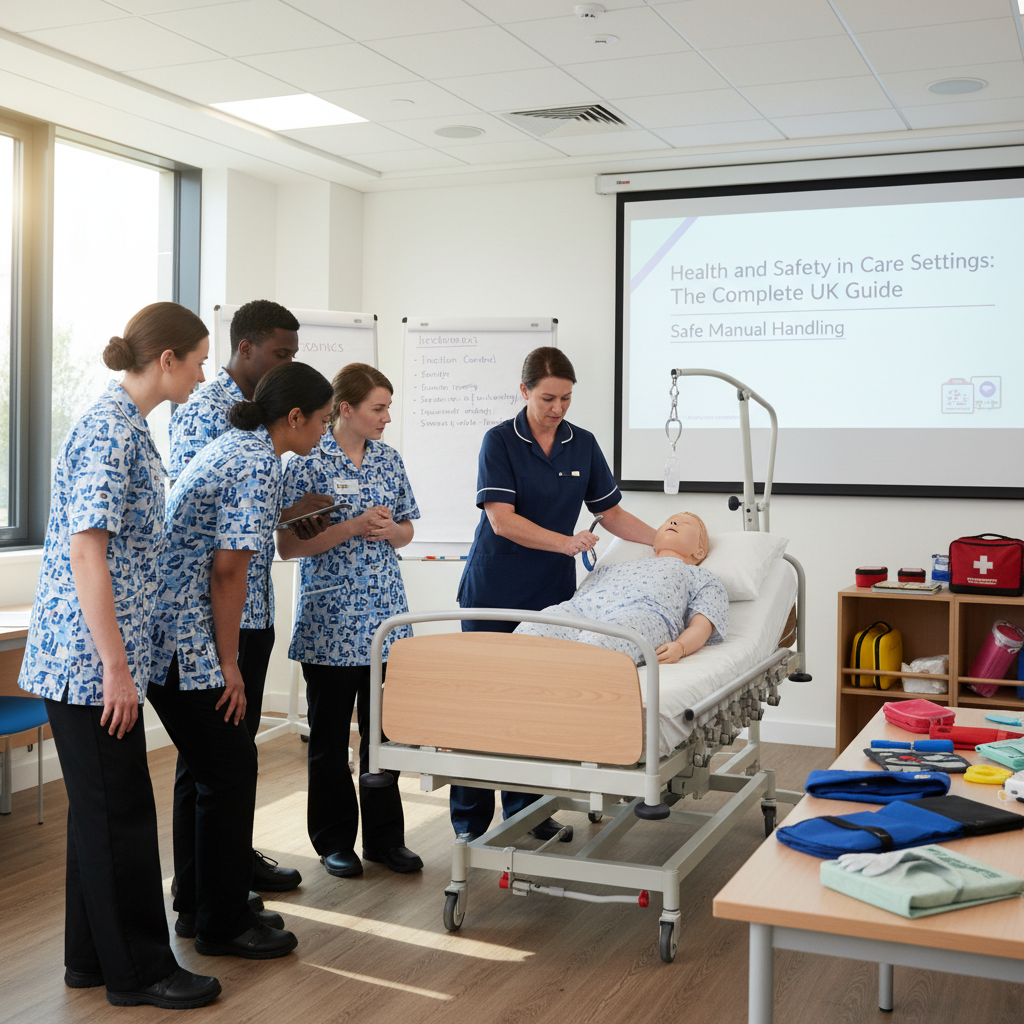
Effective workplace safety training is not an optional extra; it is a legal requirement and a cornerstone of a safe care environment. All staff, from new recruits to experienced managers, need appropriate training to understand their responsibilities and perform their duties safely. CareDemy UK specialises in providing comprehensive, up-to-date, and practical online training courses tailored for the UK care sector.
Key areas for workplace safety training include:
- Induction Training: Essential for all new staff, covering general health and safety policies, emergency procedures, and basic risk awareness.
- Mandatory Training: Core subjects such as Manual Handling, Fire Safety, Infection Prevention and Control, First Aid, and Safeguarding.
- Refresher Training: Regular updates to ensure knowledge and skills remain current and compliant with best practices and regulatory changes.
- Specialist Training: Tailored training for specific roles or responsibilities, such as medication administration, COSHH, or managing challenging behaviours.
Investing in high-quality workplace safety training empowers staff with the knowledge and confidence to identify hazards, implement control measures, and respond effectively to emergencies. This not only reduces incidents but also fosters a proactive safety culture where everyone feels responsible for maintaining a safe environment.
Developing a Robust Health and Safety Culture
Beyond policies and procedures, a truly safe care setting is characterised by a strong health and safety culture. This means that safety is deeply embedded in the organisation’s values, behaviours, and decision-making processes. Key elements of fostering such a culture include:
- Leadership Commitment: Senior management must visibly champion health and safety, allocating resources, setting clear expectations, and leading by example.
- Staff Involvement: Encouraging staff to report hazards, suggest improvements, and participate in safety committees. Their frontline experience is invaluable.
- Open Communication: Creating an environment where staff feel comfortable raising concerns without fear of reprisal. Regular safety briefings and discussions are vital.
- Incident Reporting and Learning: Establishing clear procedures for reporting all incidents, near misses, and hazards. Crucially, the focus should be on learning from these events to prevent recurrence, rather than assigning blame.
- Continuous Review and Improvement: Health and safety is an ongoing process. Regular audits, inspections, and reviews of policies and procedures ensure they remain effective and relevant.
By integrating these elements, care settings can move beyond mere compliance to create an environment where safety is a shared responsibility and a continuous priority. This proactive approach not only protects individuals but also enhances the overall quality and reputation of the care service.
Conclusion
Health and safety in care settings is a multifaceted and critical aspect of providing high-quality, compassionate care. It demands a proactive, systematic, and continuous commitment from everyone involved, from senior management to every care worker. By prioritising robust risk assessments, implementing comprehensive safety protocols across all operational areas, and investing in ongoing workplace safety training, care providers can create environments that are truly safe, supportive, and compliant.
At CareDemy UK, we understand the unique challenges and responsibilities faced by the care sector. Our extensive range of online training courses is designed to equip your staff with the essential knowledge and skills needed to uphold the highest standards of health and safety. By fostering a strong safety culture and ensuring your team is expertly trained, you not only meet your legal obligations but also demonstrate an unwavering commitment to the well-being of those you care for and those who provide that care.
Frequently asked questions
What are the primary reasons health and safety is crucial in UK care settings?
Health and safety in UK care settings is crucial for protecting vulnerable individuals, preventing accidents, ensuring compliance with legal regulations, and maintaining a high standard of care. It safeguards both residents and staff.
What are the key health and safety regulations that apply to UK care homes?
Key regulations include the Health and Safety at Work etc. Act 1974, the Management of Health and Safety at Work Regulations 1999, the Control of Substances Hazardous to Health Regulations 2002 (COSHH), and the Reporting of Injuries, Diseases and Dangerous Occurrences Regulations 2013 (RIDDOR).
How can care homes effectively manage risks to health and safety?
Effective risk management involves conducting regular risk assessments, implementing control measures, providing comprehensive staff training, maintaining equipment, establishing clear policies and procedures, and fostering a strong safety culture. Regular reviews of these measures are also essential.