
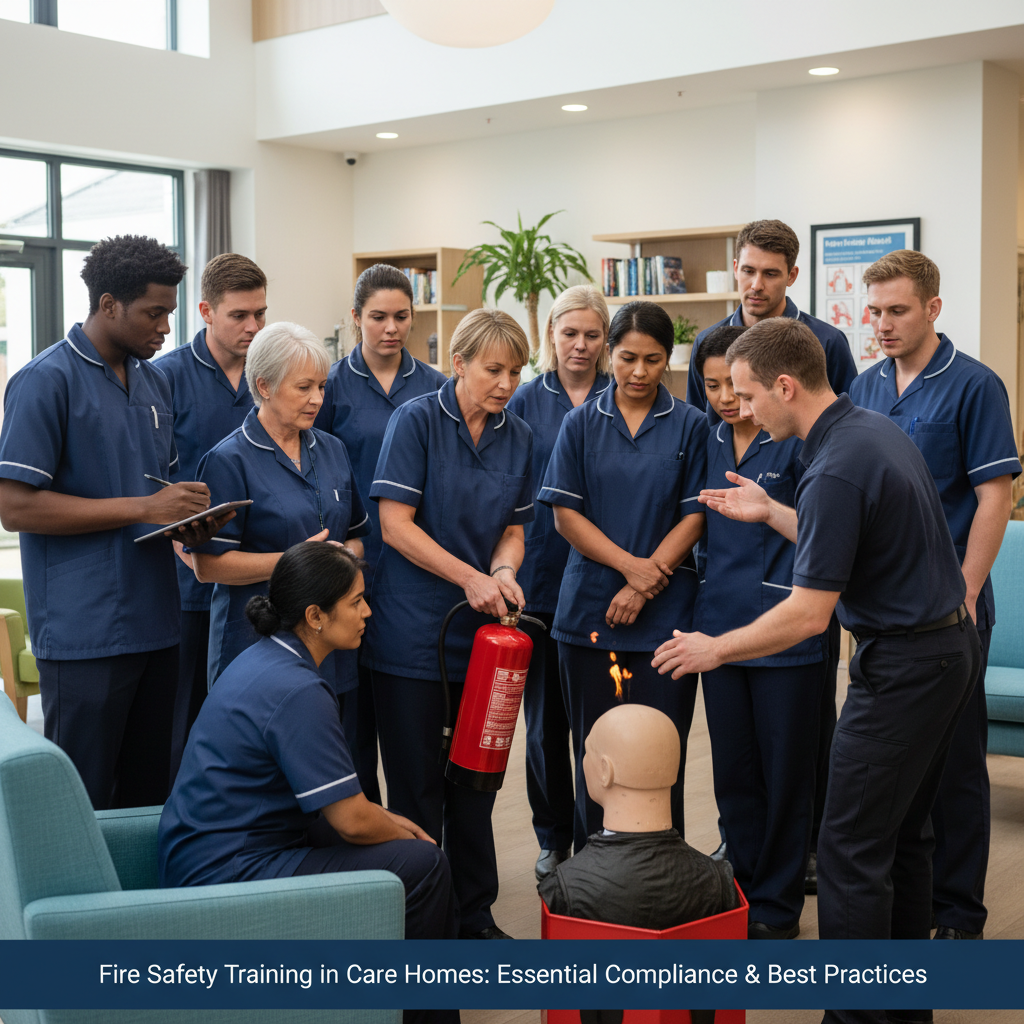
Fire Safety Training in Care Homes: Essential Compliance & Best Practices
Ensuring the safety and well-being of residents is the paramount responsibility of every care home in the UK. Among the myriad of critical safety measures, fire safety stands out as an area demanding rigorous attention, proactive planning, and, crucially, comprehensive fire safety training. For care providers, managers, and staff, understanding the nuances of fire safety compliance and implementing effective training programmes is not just a regulatory requirement; it’s a fundamental commitment to protecting vulnerable lives.
This article delves into what UK care homes need to know about fire safety training, offering practical insights and expert guidance to help you navigate the complexities of compliance, mitigate risks, and foster a culture of safety. We’ll explore the regulatory framework, essential training components, and strategies for effective implementation, ensuring your care home is well-prepared to prevent and respond to fire emergencies.
Why Fire Safety Training is Non-Negotiable in Care Homes
The unique environment of care homes presents distinct challenges when it comes to fire safety. Residents often have varying degrees of mobility, cognitive impairment, or complex health conditions, making rapid evacuation difficult and increasing their vulnerability in an emergency. This inherent risk elevates fire safety from a standard procedure to a critical, life-saving discipline.
Beyond the moral imperative to protect residents and staff, robust fire safety training is a legal and ethical duty. A failure to adequately prepare for and respond to a fire incident can have devastating consequences, including loss of life, severe injuries, significant property damage, and severe legal repercussions for the responsible persons. These can range from substantial fines to imprisonment, alongside irreparable damage to the care home’s reputation and CQC rating. Therefore, investing in high-quality fire safety training is not an option but an absolute necessity for every care home.
The Regulatory Landscape: Fire Safety Compliance in the UK

In the UK, fire safety in non-domestic premises, including care homes, is primarily governed by the Regulatory Reform (Fire Safety) Order 2005 (RRO). This legislation places a clear legal duty on a ‘responsible person’ to ensure the safety of everyone on the premises. For care homes, the responsible person is typically the owner, manager, or employer.
The RRO mandates several key duties, all of which underpin the necessity for effective fire safety training:
- Fire Risk Assessment: A thorough and regular assessment of fire risks is the foundation of all fire safety measures. This assessment identifies potential hazards, evaluates the risk to people, and outlines necessary precautions.
- Emergency Plan: Developing and implementing a clear, documented emergency plan that details procedures for evacuation, communication, and staff roles during a fire.
- Staff Training: Providing adequate fire safety training to all employees, ensuring they understand the risks, prevention measures, and emergency procedures.
- Maintenance of Equipment: Ensuring all fire safety equipment, such as alarms, extinguishers, and emergency lighting, is regularly inspected and maintained.
The Care Quality Commission (CQC) also plays a vital role in monitoring safety standards in care homes. During inspections, the CQC assesses how care homes meet fundamental standards of quality and safety, including their fire safety arrangements and the effectiveness of their staff training. Demonstrating robust fire safety compliance and a well-trained workforce is crucial for positive inspection outcomes and maintaining registration.
Core Components of Effective Fire Safety Training
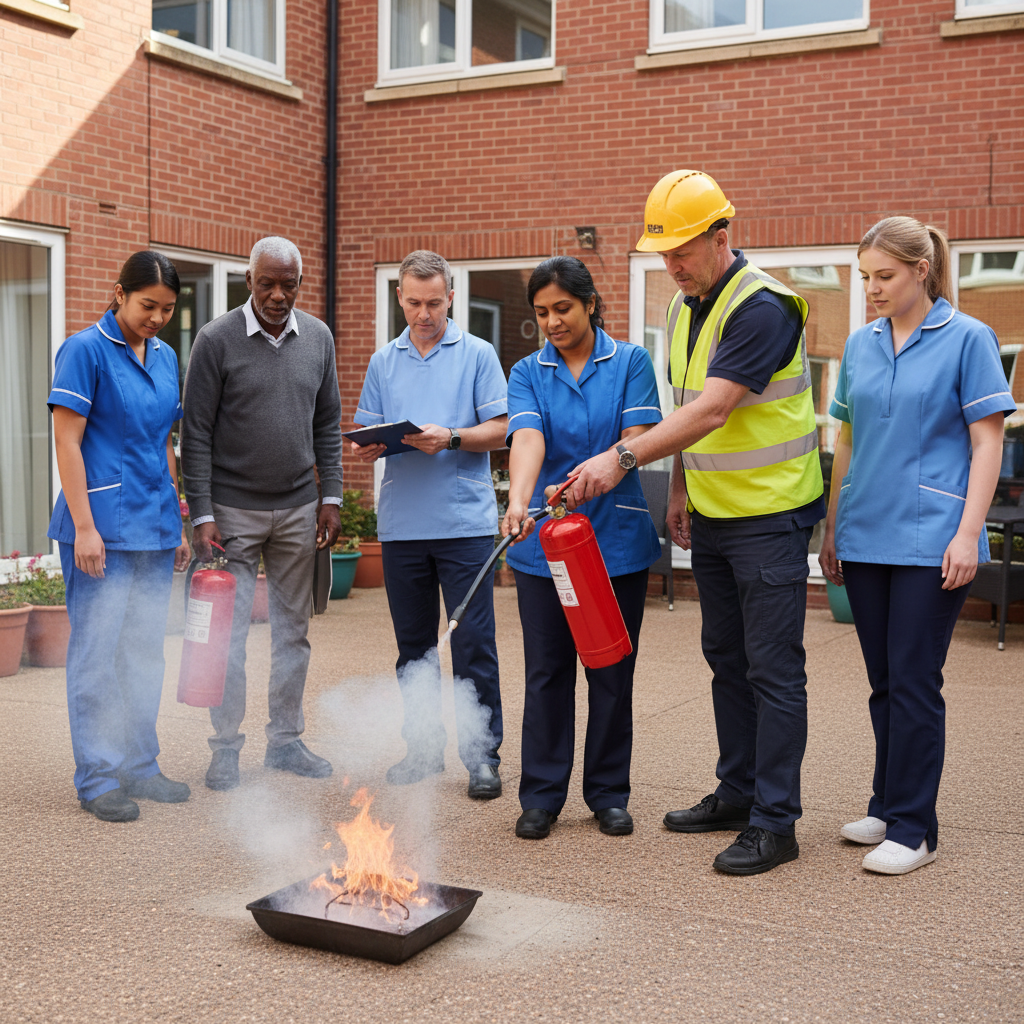
Effective fire safety training for care homes must be comprehensive, relevant, and regularly updated. It should equip staff with the knowledge and practical skills to prevent fires, respond appropriately in an emergency, and ensure the safety of residents. Key components typically include:
- Understanding Fire Risks Specific to Care Homes: Training should highlight common fire hazards in a care home setting, such as electrical faults, cooking equipment, smoking materials, laundry facilities, and oxygen use.
- Fire Prevention Strategies: Educating staff on proactive measures, including good housekeeping, safe storage of flammable materials, proper use and maintenance of electrical appliances, and strict smoking policies.
- Emergency Procedures and Evacuation Plans: Detailed instruction on the care home’s specific fire alarm system, evacuation routes, assembly points, and the ‘stay put’ or ‘progressive horizontal evacuation’ strategies often employed in care settings. This includes understanding Personal Emergency Evacuation Plans (PEEPs) for individual residents.
- Use of Fire Fighting Equipment: Training on the correct identification and safe, limited use of fire extinguishers and fire blankets. Crucially, staff must understand when it is safe to attempt to extinguish a small fire and when immediate evacuation is the priority.
- Role of Fire Wardens/Marshals: Specific training for designated fire wardens on their responsibilities, including checking escape routes, assisting with evacuation, liaising with emergency services, and conducting roll calls.
- Communication Protocols: How to raise the alarm, communicate with residents, staff, and emergency services effectively during an incident.
- Considerations for Residents with Diverse Needs: Training must address how to assist residents with mobility issues, dementia, sensory impairments, or those who may become distressed during an emergency.
Tailoring Training for Diverse Roles and Needs
Not all staff members require the same depth or focus of fire safety training. A tiered approach ensures that everyone receives appropriate instruction relevant to their role and responsibilities within the care home.
General Staff Training
All care home staff, including carers, administrative personnel, kitchen staff, and cleaners, require fundamental fire safety training. This should cover basic fire prevention, understanding the fire alarm system, knowing evacuation routes, how to assist residents, and the location and basic use of fire fighting equipment. Regular refreshers are essential to keep this knowledge current.
Fire Warden/Marshal Training
Designated fire wardens or marshals need more advanced training. Their responsibilities extend to leading evacuations, conducting checks of specific areas, ensuring fire doors are closed, liaising with the fire service, and understanding the fire risk assessment in detail. This training often includes practical elements and a deeper understanding of fire dynamics.
Management and Responsible Person Training
The responsible person and senior management require comprehensive training that covers the legal framework, their specific duties under the RRO, how to conduct and review fire risk assessments, develop emergency plans, and oversee the entire fire safety management system. They are ultimately accountable for ensuring the care home’s fire safety compliance.
Training for Agency Staff and Volunteers
Care homes frequently utilise agency staff and volunteers. It is critical that these individuals receive appropriate induction and fire safety training before commencing work. This ensures they are aware of the care home’s specific procedures and can act effectively in an emergency, maintaining a consistent level of safety across the workforce.
Resident and Visitor Awareness
While not formal training, providing clear, accessible information to residents and visitors about fire safety procedures, alarm sounds, and what to do in an emergency is also important. This might include simple visual aids or verbal explanations tailored to their understanding.
Practical Steps for Implementing Fire Safety Training
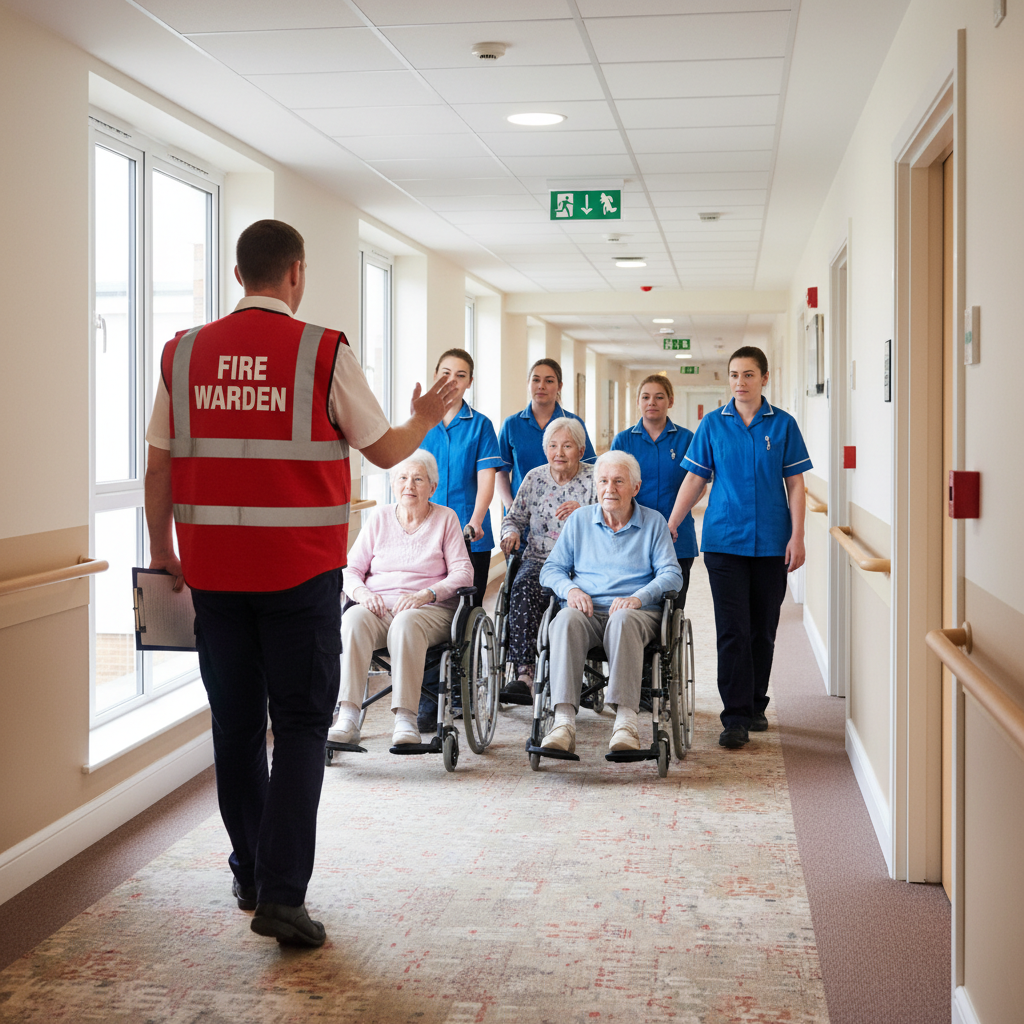
Implementing an effective fire safety training programme requires a structured approach. Here are practical steps for care homes to consider:
Conduct a Comprehensive Fire Risk Assessment
This is the starting point. A professional fire risk assessment will identify specific hazards, the people at risk, and the necessary control measures. The findings of this assessment should directly inform the content and focus of your fire safety training programme.
Develop a Clear Fire Safety Policy and Emergency Plan
Document your care home’s fire safety policy, procedures, and emergency plan. This provides a clear framework for staff to follow and forms the basis for training content. Ensure it is accessible to all staff and regularly reviewed.
Choose the Right Training Provider
Select a training provider with expertise in fire safety for care homes. Look for providers who offer UK-specific, accredited courses that are tailored to the unique challenges of caring for vulnerable individuals. CareDemy UK, for instance, offers specialised online fire safety training designed to meet these specific needs, ensuring your staff receive relevant and up-to-date instruction.
Schedule Regular Training and Refresher Courses
Initial training is just the beginning. Fire safety training should be an ongoing process. All staff should receive refresher training at least annually, or more frequently if there are significant changes to the premises, procedures, or staff roles. New staff must receive training as part of their induction.
Maintain Detailed Training Records
Keep meticulous records of all fire safety training undertaken by staff. This includes dates, attendees, course content, and assessment results. These records are crucial for demonstrating fire safety compliance to regulators like the CQC and in the event of an incident.
Conduct Regular Fire Drills
Theoretical knowledge must be reinforced with practical application. Regular fire drills, conducted at varying times and scenarios, are essential. They allow staff to practice emergency procedures, identify any weaknesses in the plan, and become familiar with the evacuation process in a controlled environment. Feedback from drills should be used to refine procedures and training.
Overcoming Challenges in Fire Safety Training for Care Homes
Care homes often face specific challenges when it comes to implementing and maintaining effective fire safety training:
- Staff Turnover: High staff turnover can make it difficult to ensure all new employees receive timely and consistent training. Implementing robust induction training and accessible online modules can help address this.
- Diverse Learning Needs: Staff may have varying levels of literacy, language proficiency, or prior experience. Training methods should be diverse, incorporating visual aids, practical demonstrations, and opportunities for questions.
- Time Constraints: Care home staff are often busy, making it challenging to schedule extensive training sessions. Flexible training options, such as online courses that can be completed at individual paces, can be highly beneficial.
- Budget Limitations: Training costs can be a concern. However, viewing fire safety training as an investment in safety and compliance, rather than an expense, is crucial. Cost-effective online solutions can provide high-quality training without significant disruption.
Addressing these challenges proactively ensures that fire safety training remains a priority and is effectively delivered across the entire workforce.
The Benefits of Proactive Fire Safety Training
Beyond meeting legal obligations, a proactive approach to fire safety training yields numerous benefits for care homes:
- Enhanced Resident and Staff Safety: The most significant benefit is the increased safety of everyone within the care home. Well-trained staff are better equipped to prevent fires and respond effectively, potentially saving lives.
- Legal Compliance and Peace of Mind: Adhering to the RRO and CQC requirements provides legal protection and peace of mind for the responsible person and management.
- Reduced Risk of Incidents and Associated Costs: Effective prevention and response can significantly reduce the likelihood of a fire incident, avoiding the immense human and financial costs associated with such events.
- Improved Staff Confidence and Morale: Staff who feel competent and prepared to handle emergencies are more confident in their roles, contributing to a positive and secure working environment.
- Positive CQC Inspections: Demonstrating a strong commitment to fire safety and a well-trained workforce will reflect positively during CQC inspections, contributing to a good rating.
Conclusion: Prioritising Fire Safety for a Safer Care Environment
Fire safety training in care homes is a cornerstone of responsible care provision. It is a continuous process that demands commitment, regular review, and adaptation to ensure the highest standards of safety for vulnerable residents and dedicated staff. By understanding the regulatory framework, implementing comprehensive training programmes, and addressing practical challenges, care homes can significantly mitigate risks and foster an environment where safety is paramount.
Prioritising robust fire safety training is not merely about ticking boxes; it’s about embedding a culture of vigilance, preparedness, and confidence. It empowers staff to act decisively and effectively when it matters most, ultimately safeguarding lives and upholding the trust placed in care providers. Invest in your team’s fire safety knowledge, and you invest in the security and well-being of your entire care community.
Frequently asked questions
Why is fire safety training particularly crucial for care homes?
Care homes house vulnerable residents with varying mobility and cognitive abilities, making rapid evacuation challenging. This necessitates robust training to protect lives, meet legal and ethical duties, and avoid severe legal and reputational consequences.
What are the key regulations governing fire safety in UK care homes?
Fire safety in UK care homes is primarily governed by the Regulatory Reform (Fire Safety) Order 2005 (RRO), which places duties on a 'responsible person'. The Care Quality Commission (CQC) also monitors fire safety arrangements during inspections.
What essential topics should fire safety training for care home staff cover?
Effective training should cover understanding specific fire risks, prevention strategies, emergency procedures and evacuation plans (including PEEPs), safe use of fire fighting equipment, the role of fire wardens, communication protocols, and assisting residents with diverse needs.
Who is considered the 'responsible person' for fire safety in a care home?
Under the Regulatory Reform (Fire Safety) Order 2005, the 'responsible person' is typically the care home owner, manager, or employer, who has a legal duty to ensure the safety of everyone on the premises.