Online Care Training Platforms in the UK: A Complete Guide for Care Providers, Managers and Support Workers
The UK health and social care sector relies on skilled, compliant and confident staff to deliver safe, compassionate services. As regulatory expectations continue to evolve and workforce pressures increase, online care training platforms have become essential tools for employers and individuals alike.
From mandatory induction training to refresher CPD modules, digital learning systems now support thousands of care workers across residential homes, domiciliary services, supported living providers and NHS environments. Whether organisations are preparing staff for inspections or supporting professional development, online care training platforms play a central role in maintaining quality care standards.
This guide explains how online care training works in the UK, why it matters, what employers should look for, and how modern platforms such as Caredemy are helping reshape workforce learning across the sector.
The Growing Importance of Online Care Training in the UK
Over the past decade, training delivery in health and social care has changed significantly. Traditional classroom-only training has increasingly been supplemented—or replaced—by digital learning platforms.
Several factors are driving this shift:
- workforce shortages across adult social care
- complex compliance requirements
- flexible shift patterns
- hybrid working structures
- the need for cost-effective training delivery
- increased expectations from regulators
Employers are responsible for ensuring staff are competent, safe and appropriately trained. In England, providers regulated by the Care Quality Commission (CQC) must demonstrate that employees receive suitable induction and ongoing development training aligned with their role.
Online learning platforms help organisations meet these obligations efficiently while supporting workforce retention and engagement.
What Is an Online Care Training Platform?
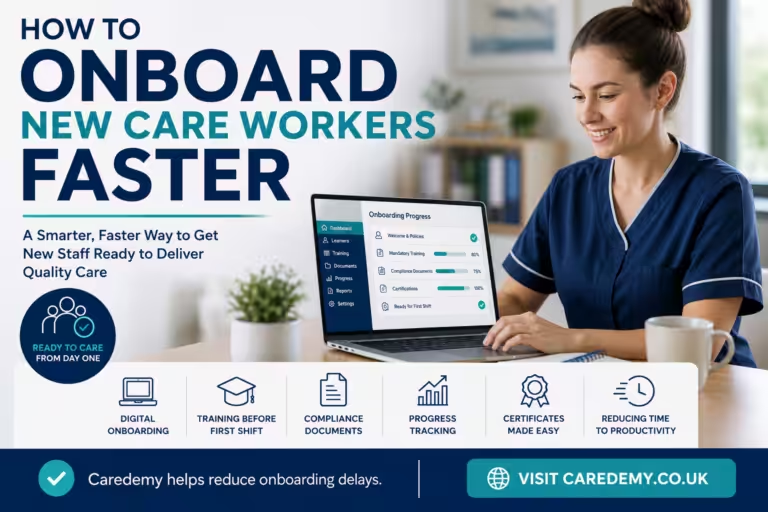
An online care training platform is a digital learning environment where health and social care staff complete structured courses remotely. These platforms typically operate through a learner management system (LMS), allowing organisations to:
- assign courses to staff
- track progress
- monitor compliance
- generate audit-ready reports
- download certificates
- manage refresher schedules
Many platforms deliver CPD-accredited modules covering mandatory training topics such as safeguarding, infection control, equality and diversity, and moving and handling.
Some also include complete induction programmes like the Care Certificate.
Understanding the Care Certificate and Mandatory Training Requirements
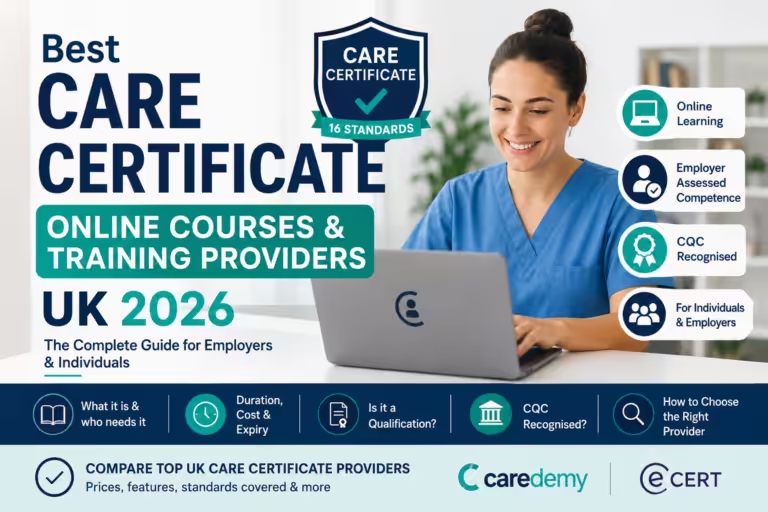
The Care Certificate is one of the most recognised induction standards within the UK social care workforce. It defines the knowledge, skills and behaviours expected of new staff working in regulated roles across health and social care services. (Caredemy)
It typically includes standards such as:
- duty of care
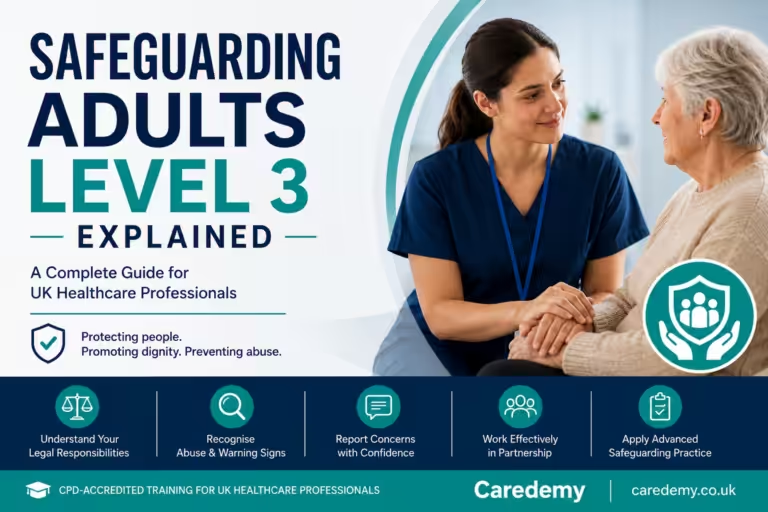
- safeguarding adults and children
- communication skills
- infection prevention
- privacy and dignity
- person-centred care
- health and safety responsibilities
Online platforms now allow providers to deliver these standards flexibly while maintaining compliance with Skills for Care guidance and employer induction frameworks.
For organisations managing large teams or multiple locations, digital training delivery significantly reduces administrative workload.
Why Care Providers Are Moving to Digital Training Systems
Online care training platforms are no longer simply optional learning tools—they are becoming operational necessities.
Flexibility for Shift-Based Workforces
Care staff often work nights, weekends and rotating shifts. Online training enables learners to study at convenient times without disrupting service delivery.
Digital platforms also allow training to be completed across devices, including smartphones and tablets, supporting accessibility for frontline workers.
Faster Compliance Reporting
Preparing for inspections can be time-consuming when records are stored manually. A learner management system automatically tracks progress and produces reports that demonstrate compliance with training requirements.
This simplifies audit preparation and reduces administrative burden.
Cost-Effective Workforce Development
Traditional classroom training involves venue hire, trainer costs and scheduling disruptions. Online platforms allow organisations to deliver consistent learning at scale with predictable pricing structures.
This makes them especially valuable for domiciliary agencies and multi-site providers.
What to Look for in a UK Online Care Training Platform
Choosing the right platform is essential for achieving both compliance and engagement outcomes. Care providers should evaluate several important features before selecting a training partner.
CPD Accreditation and Sector Alignment
Courses should be written by qualified professionals and aligned with recognised frameworks. Accreditation from organisations such as the CPD Standards Office ensures training contributes towards professional development requirements.
Many leading providers also align their content with the Core Skills Training Framework and social care regulatory expectations.
CQC-Relevant Course Coverage
Training platforms should support key inspection evidence areas including:
- safeguarding awareness
- infection prevention
- equality and diversity
- mental capacity
- health and safety
- medication awareness
Comprehensive libraries allow organisations to maintain consistent workforce competency across services.
Reporting and Learner Tracking Tools
Managers need real-time oversight of workforce training progress. Modern LMS platforms provide dashboards showing completion rates, certificate status and upcoming renewals.
This ensures providers remain inspection-ready throughout the year.
Accessibility and Language Support
Inclusive training delivery improves completion rates and supports diverse teams. Some platforms now offer multilingual translation tools and audio support for learners who prefer alternative formats.
This strengthens workforce confidence and learning outcomes.
The Role of CPD in Professional Care Development
Continuing Professional Development (CPD) plays a vital role in maintaining standards across the care workforce. CPD-accredited training demonstrates that learning activities meet recognised quality benchmarks and contribute towards ongoing competence.
Digital training platforms allow care workers to build structured CPD portfolios covering topics such as:
- safeguarding awareness
- dementia support
- communication techniques
- medication safety
- mental health awareness
- infection control updates
Employers benefit from improved workforce capability, while staff gain confidence and career progression opportunities.
Supporting Employers With Workforce Training Compliance
Training compliance is one of the most common challenges faced by care managers.
Organisations must ensure staff:
- complete induction training
- refresh mandatory modules regularly
- maintain role-specific competencies
- evidence learning outcomes during inspections
Online training platforms simplify these processes through automated tracking systems that reduce paperwork and improve oversight.
For multi-site providers, this centralised approach is especially valuable.
The Advantages of Using an LMS for Care Training
A learner management system is the foundation of most online training platforms. It provides a structured environment where learning activity can be assigned, tracked and monitored.
Key benefits include:
Centralised Training Records
Managers can store certificates securely and retrieve them instantly during audits.
Automated Progress Monitoring
Dashboards highlight overdue training and completion status across teams.
Reduced Administrative Burden
Automated reminders reduce the need for manual tracking spreadsheets.
Improved Staff Engagement
Interactive modules support knowledge retention better than static classroom presentations alone.
These features make LMS-based training particularly effective for organisations preparing for regulatory inspections.
How Digital Training Supports Workforce Retention
Retention remains one of the biggest challenges facing UK social care providers. Staff who feel supported in their development are more likely to remain within their organisation.
Online training platforms help achieve this by offering:
- structured learning pathways
- refresher training opportunities
- flexible study access
- recognised CPD certificates
Accessible learning strengthens confidence and supports career progression within the sector.
The Shift Towards Digital Training Across UK Care Services
There has been a noticeable shift towards online training delivery across health and social care environments, including NHS-linked services and independent providers.
Industry discussions highlight how mandatory modules such as safeguarding, fire safety and leadership training are increasingly delivered through digital systems rather than traditional classroom sessions. (Reddit)
This trend reflects wider adoption of technology across the care workforce and demonstrates the long-term role online learning will continue to play.
How Caredemy Supports Modern Care Training Needs
Modern training providers are increasingly expected to deliver more than simple course libraries. Organisations require complete compliance solutions that integrate learning delivery with reporting tools and workforce oversight.
Caredemy provides a comprehensive online training platform designed specifically for UK health and social care providers. Its CPD-accredited courses are written by qualified professionals and endorsed by sector organisations, helping employers meet regulatory expectations confidently. (Caredemy)
Key platform features include:
- access to over 200 CPD-accredited courses
- instant certificates upon completion
- learner management system reporting tools
- multilingual translation support
- text-to-speech accessibility features
- compliance-aligned training frameworks
- dedicated employer support options
Courses can be accessed on desktop, tablet or mobile devices and remain available 24 hours a day, allowing learners to complete training around their shift patterns. (Caredemy)
For employers managing large teams, the ability to track learner progress and generate compliance reports significantly reduces administrative workload.
Choosing the Right Online Care Training Platform for Your Organisation
When selecting a training provider, organisations should consider:
- course quality and accreditation
- reporting functionality
- ease of use for staff
- flexibility of access
- regulatory alignment
- pricing structure
- support availability
The right platform will not only deliver training but also strengthen compliance confidence and workforce capability.
The Future of Online Care Training in the UK
Digital learning is set to remain central to workforce development across health and social care.
As providers continue adapting to workforce shortages, inspection expectations and service pressures, online training platforms will play an increasingly strategic role in supporting safe and effective care delivery.
Forward-thinking organisations are already investing in flexible learning environments that allow staff to access training anytime, anywhere.
Platforms like Caredemy are helping lead this transition by combining accessibility, compliance alignment and workforce support into a single integrated training solution designed for the realities of modern care services.