How to Onboard New Care Workers Faster
Reduce onboarding delays and prepare new care workers from day one.
Recruiting a new member of staff is only the first step. A slow or disorganised onboarding process can delay compliance, increase costs, and leave new employees feeling overwhelmed before they even begin their first shift.
Effective care worker onboarding ensures new staff have the knowledge, confidence, and mandatory training they need to provide safe, high-quality care from day one. With increasing workforce pressures across the UK health and social care sector, organisations need an onboarding process that is both efficient and compliant.
Digital learning platforms are making this easier than ever. Instead of relying on paper documents, classroom sessions, and lengthy administration, employers can complete much of the onboarding process online before a new employee starts work.
Caredemy helps reduce onboarding delays.
In this guide, we’ll explain how digital onboarding works, why training before the first shift matters, and how care providers can reduce the time it takes for new staff to become fully productive.
Why Care Worker Onboarding Matters
A structured onboarding process benefits everyone.
For employers, it helps ensure regulatory compliance, improves staff retention, and reduces administrative work. For new employees, it provides confidence, clarity, and a positive first impression of the organisation.
Poor onboarding can lead to:
- Delays in starting work
- Missing compliance documentation
- Mandatory training gaps
- Increased supervision requirements
- Lower staff confidence
- Higher employee turnover
A well-planned onboarding programme enables new care workers to begin delivering safe care more quickly while ensuring essential compliance requirements have been met.
What Is Digital Onboarding?
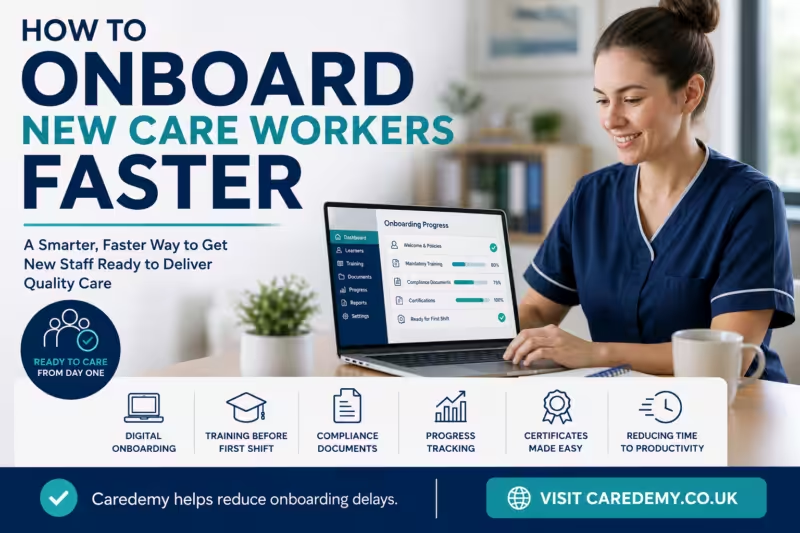
Digital onboarding uses online systems to complete many onboarding tasks before a new employee arrives for their first day.
Rather than waiting until induction, employers can provide access to:
- Mandatory online training
- Company policies
- Compliance forms
- Employment documents
- Staff handbooks
- Learning records
- Progress tracking
This allows new starters to complete much of their induction remotely and at their own pace.
Digital onboarding is particularly valuable for organisations with multiple locations, remote teams, agency staff, or high recruitment volumes.
Complete Mandatory Training Before the First Shift
One of the biggest advantages of digital onboarding is allowing staff to complete essential training before they begin working.
This reduces pressure on managers and helps ensure staff understand their responsibilities from day one.
Typical pre-employment training may include:
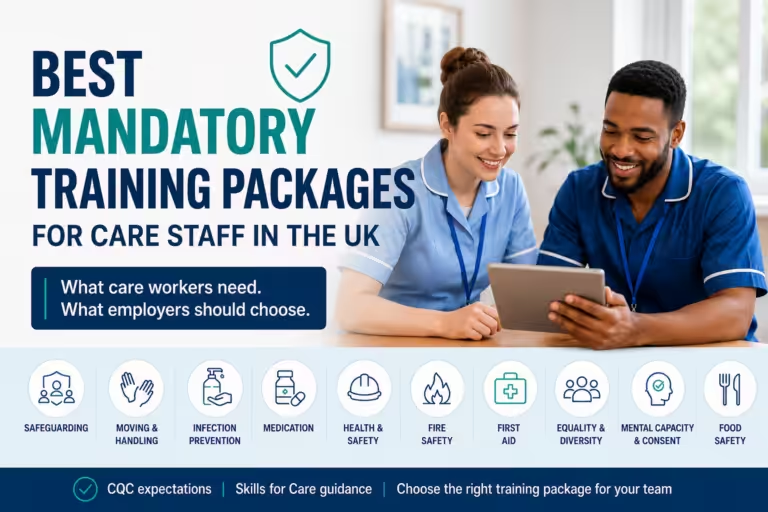
- Safeguarding Adults
- Infection Prevention and Control
- Fire Safety
- Moving and Handling Awareness
- Basic Life Support
- Health and Safety
- Equality, Diversity and Human Rights
- GDPR and Data Protection
Providing access to online learning before employment starts means new care workers can arrive prepared rather than spending their first days completing mandatory courses.
This helps managers focus on practical induction and workplace orientation instead.
Keep Compliance Documents Organised
Compliance is one of the most time-consuming aspects of onboarding.
New employees often need to provide several documents before they can begin work, including:
- Proof of identity
- Right to work documentation
- DBS information
- References
- Professional registrations (where applicable)
- Signed company policies
- Employment contracts
Digital onboarding platforms allow these documents to be uploaded, stored, and accessed securely in one place.
Managers can quickly see which items have been completed and which still require action.
This significantly reduces paperwork and administrative delays.
Track Progress in Real Time
Without digital tracking, onboarding can become difficult to monitor.
Managers may have to search through emails, spreadsheets, or paper records to determine whether training has been completed.
Progress tracking provides instant visibility by showing:
- Courses completed
- Courses still outstanding
- Assessment scores
- Compliance status
- Training deadlines
- Learning progress
This allows managers to identify potential delays before they affect staffing.
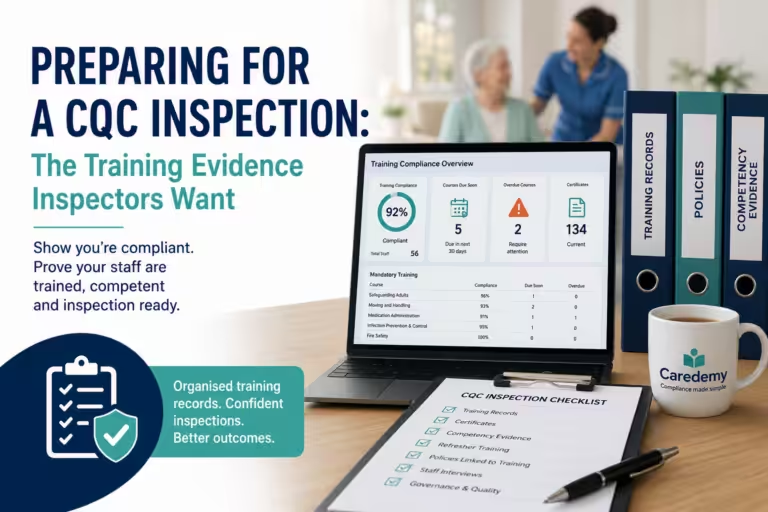
It also provides a clear audit trail during inspections.
Make Certificates Easy to Access
Training certificates are an essential part of compliance evidence.
Instead of manually emailing certificates or storing paper copies, digital learning platforms automatically generate and store certificates once learners successfully complete their assessments.
Benefits include:
- Immediate certificate availability
- Secure digital storage
- Easy retrieval for inspections
- Reduced administration
- Evidence of completed learning
This makes it much easier to demonstrate compliance during audits and regulatory inspections.
Reduce Time to Productivity
Every day spent waiting for paperwork or training delays a new employee’s contribution to the organisation.
Reducing onboarding time helps organisations:
- Fill staffing gaps faster
- Reduce agency costs
- Improve workforce confidence
- Increase operational efficiency
- Improve employee satisfaction
When new care workers complete their mandatory learning before their first shift, managers can spend more time supporting practical skills and integrating them into the team.
This creates a smoother transition into the workplace.
Build a Consistent Onboarding Experience
A standardised onboarding programme ensures every employee receives the same information and training.
Consistency helps organisations:
- Meet regulatory expectations
- Reduce variation between sites
- Improve quality of care
- Maintain accurate training records
- Deliver a better employee experience
Digital platforms make it easy to assign the correct learning pathway based on an employee’s role.
Supporting CQC Compliance
The Care Quality Commission (CQC) expects providers to ensure staff have the appropriate skills, knowledge, qualifications, and experience to perform their roles safely.
Effective onboarding supports this by providing evidence that staff have completed mandatory learning before delivering care.
Organisations should also maintain accurate training records and regularly review ongoing learning needs.
For further guidance, see:
- The CQC’s guidance on staffing and workforce requirements: https://www.cqc.org.uk
- Skills for Care resources on induction, recruitment and workforce development: https://www.skillsforcare.org.uk
Best Practices for Faster Care Worker Onboarding
To streamline your onboarding process:
- Provide online access immediately after recruitment.
- Assign mandatory training before the start date.
- Collect compliance documents digitally.
- Monitor progress using a learning management system.
- Store certificates securely.
- Schedule practical induction for the first working day.
- Continue learning through ongoing mandatory refresher training.
Following these steps helps reduce delays while maintaining high standards of care and compliance.
How Caredemy Can Help
Caredemy provides an easy-to-use online learning platform designed specifically for health and social care organisations.
With flexible online learning, automated progress tracking, digital certificates, and comprehensive mandatory training, employers can simplify every stage of care worker onboarding.
Whether you’re recruiting one employee or hundreds, digital onboarding helps reduce administration, improve compliance, and get new staff ready to deliver safe, effective care sooner.
Caredemy helps reduce onboarding delays.
Frequently Asked Questions
What is care worker onboarding?
Care worker onboarding is the structured process of preparing new employees for their role through mandatory training, compliance checks, documentation, workplace induction, and organisational orientation.
Can care workers complete training before starting work?
Yes. Many organisations provide access to online mandatory training before a new employee’s first shift, helping reduce delays and improve readiness.
Why is digital onboarding beneficial?
Digital onboarding saves time, reduces paperwork, improves compliance tracking, provides instant access to certificates, and creates a more consistent onboarding experience.
What documents are typically needed during onboarding?
Common documents include proof of identity, right to work checks, DBS information, references, employment contracts, and signed workplace policies.
How does onboarding improve CQC compliance?
A structured onboarding process helps providers demonstrate that staff have completed appropriate training and that compliance records are accurate and accessible.
Visit Caredemy
Looking to simplify care worker onboarding and reduce the time it takes for new staff to become fully productive?
Visit caredemy.co.uk to explore our online health and social care training courses and learning management solutions.