
Mandatory training for social care
£105.00 Original price was: £105.00.£30.00Current price is: £30.00. +VAT
14-Day Money-Back Guarantee
- Audio playback is included in this course
- Available in 50 different languages for translation
Why learn with us?
- Free course certificate
- Instant course access
- CPD Accredited
- Easy to navigate
- Multiple choice exam
- Resits included
- Downloadable workbook
- 12 month access


Why Learn with us?
A Trusted Assessed, Audited and Endorsed Training Provider
Course details
Mandatory Training for Social Care Overview
Mandatory training provides social care workers with the essential knowledge and awareness needed to work safely and support adults, children and young people effectively. This package focuses on core mandatory training. Additional statutory and role-specific training requirements are covered separately. The training covers key areas including health and safety, fire safety, moving and handling, infection prevention and control, safeguarding adults, safeguarding children, and learning disability and autism awareness. It helps learners understand their responsibilities, recognise risks and concerns, and apply safe, appropriate and person-centred practices in their day-to-day work.
Duration: 7 Hours CPD Points: 7 Certificates Included
What You will learn
Mandatory Training for Social Care Learning Objectives
Mandatory training provides social care workers with the essential knowledge and awareness needed to work safely and support adults, children and young people effectively. This training covers key areas including health and safety, fire safety, moving and handling, infection prevention and control, safeguarding adults and children, and learning disability and autism awareness. It helps learners understand their responsibilities, recognise risks and concerns, and apply safe, appropriate and person-centred practices in their day-to-day work.
Learning Objectives
By the end of this training, learners will be able to:
Understand key health and safety responsibilities within social care settings.
Recognise fire hazards and understand appropriate fire safety and evacuation procedures.
Understand the principles of safely moving and handling objects and people.
Apply infection prevention and control principles to reduce the risk and spread of infection.
Recognise potential signs and indicators of abuse, neglect, exploitation and harm.
Understand safeguarding responsibilities for adults, children and young people and know how to report concerns.
Develop awareness of learning disabilities and autism and the importance of appropriate, person-centred support.
Understand how these core areas contribute to safe, effective and high-quality care and support.
Lessons
Mandatory Social Care Training Course Content
This training brings together seven key areas relevant to safe and effective practice across adult and children’s social care. Each section focuses on practical knowledge that workers can apply when supporting adults, children and young people.
Health and Safety Awareness
Introduces essential health and safety responsibilities within social care. Learners will explore common workplace hazards, risk awareness, safe working practices and the responsibilities of employees and employers for maintaining a safe environment.
Fire Safety Awareness
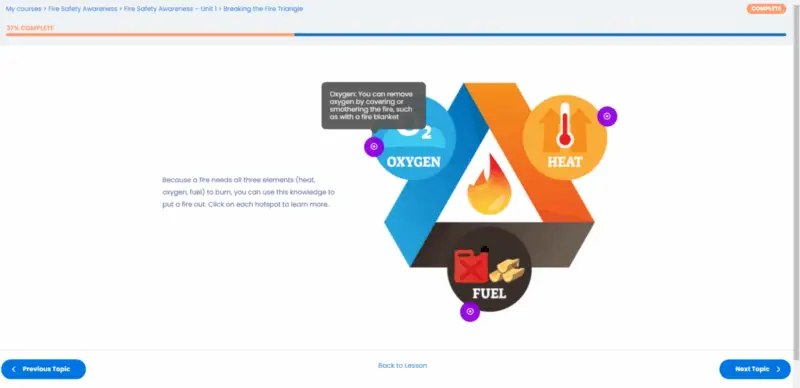
Explains the principles of fire prevention and what workers should do in the event of a fire. The training covers common fire hazards, reducing fire risks, fire safety procedures, alarms, evacuation and the importance of following workplace fire arrangements.
Moving and Handling of Objects and People
Provides an understanding of safe moving and handling principles when working with objects or supporting people. Learners will consider common hazards, risk assessment, safer handling practices and the importance of following individual care plans, agreed procedures and appropriate equipment.
Infection Prevention and Control
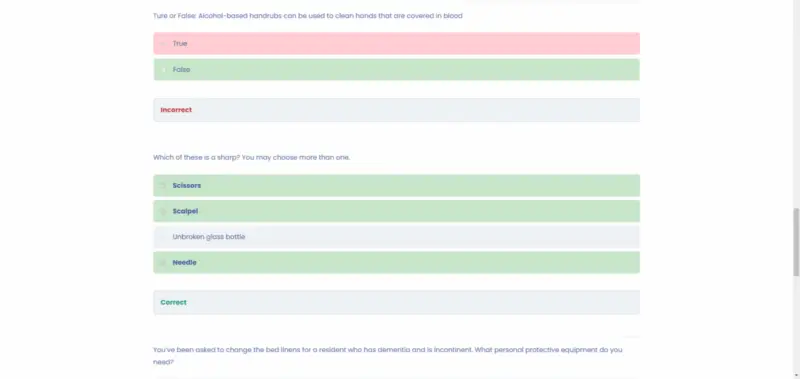
Explores how infections can spread and the measures workers can take to reduce transmission. Topics include effective hand hygiene, personal protective equipment, standard infection control precautions, maintaining clean environments and following appropriate infection prevention procedures.
Safeguarding Adults
Develops awareness of safeguarding responsibilities when supporting adults who may be at risk of abuse, neglect or exploitation. Learners will consider different types and indicators of abuse, how concerns may arise, responding appropriately to disclosures and the importance of recording and reporting concerns in accordance with safeguarding procedures.
Safeguarding Children
Introduces the principles of safeguarding children and young people. Learners will explore different forms of abuse, neglect and exploitation, potential indicators of harm, professional responsibilities and what to do if they have concerns about a child or young person’s safety or welfare.
Learning Disability and Autism Awareness
Develops understanding of learning disabilities and autism and how they can affect individuals in different ways. The training considers communication, reasonable adjustments, person-centred support, reducing barriers and recognising the importance of listening to and respecting the needs, preferences and rights of each person.
On successful completion of the quiz, you will be awarded a CPD accredited free certificate for each course.
Who is this for?
Who is this Mandatory Training for?
Who Is This Training For?
This training is suitable for people working across adult and children’s social care, including those who provide direct care and support as well as staff with supervisory or management responsibilities. It can support induction and ongoing mandatory training requirements, subject to the individual’s role, responsibilities and employer’s training needs.
Suitable roles include:
Care workers and care assistants
Support workers
Healthcare assistants
Domiciliary and home care workers
Residential care workers
Children’s residential care workers
Senior care workers
Personal assistants
Key workers
Family support workers
Community support workers
Day service staff
Activities coordinators
Rehabilitation and reablement workers
Team leaders and supervisors
Care coordinators
Registered managers and deputy managers
Social care managers
New starters and individuals preparing to work in social care
Volunteers and other staff who have contact with adults, children or young people receiving care and support
Employers should determine the training required for each worker based on their role, responsibilities, level of contact with people receiving support, workplace risks and regulatory requirements.
Recommendations
Mandatory and Statutory Social Care Training FAQ
Mandatory and statutory adult Social Care Training Courses FAQs
Mandatory training is training that an employer requires workers to complete so they have the knowledge and awareness needed to carry out their role safely and effectively. The exact training required can vary according to the worker’s role, responsibilities, workplace and the people they support.
This course covers seven key training areas: Health and Safety Awareness, Fire Safety Awareness, Moving and Handling of Objects and People, Infection Prevention and Control, Safeguarding Adults, Safeguarding Children, and Learning Disability and Autism Awareness.
No. This package is specifically designed around mandatory training. Statutory training requirements are treated separately, as these arise from specific legislation and regulatory requirements and may vary according to the organisation, service and employee’s role.
Mandatory training is training an employer determines staff must complete as part of their role and organisational requirements. Statutory training is training required because of specific legislation or regulatory requirements. There can be overlap between the two, but the terms do not mean exactly the same thing.
Yes. It is suitable for a wide range of adult social care roles, including care assistants, support workers, home care workers, senior carers, personal assistants, team leaders, supervisors and managers.
Yes. The training can also support workers in children’s social care, including children’s residential care workers, support workers, family support workers, key workers, supervisors and managers. Employers should ensure that the training selected is appropriate to the individual’s specific role and setting.
Not necessarily. Training requirements should reflect the employee’s responsibilities, the service provided, workplace risks and the needs of the adults, children or young people they support.
Not necessarily. Organisations may require additional training depending on their activities and the people they support. Examples could include medication, food safety, first aid, specialist clinical training or other role-specific subjects.
It can form part of an organisation’s induction programme by introducing workers to key areas of safe social care practice. Employers should supplement online learning with any workplace-specific induction, practical training, competency assessment and supervision required for the role.
No. Online training provides knowledge and awareness but does not, by itself, demonstrate practical competence. Where a role involves practical skills, employers should ensure workers receive appropriate practical instruction, assessment and workplace competency checks.
The employer or responsible organisation should determine training requirements based on the worker’s role, responsibilities, risk assessments, service type, regulatory requirements and the needs of the people receiving care or support.
Yes. Learners who successfully complete the training can receive a certificate as evidence of course completion, which can be retained as part of their training record.
Information
How our courses work
Purchase
Add your course(s) to checkout & pay
Learn
Instant course(s) allocation. No waiting!
Assess
Pass the exam to obtain a certificate
Image examples
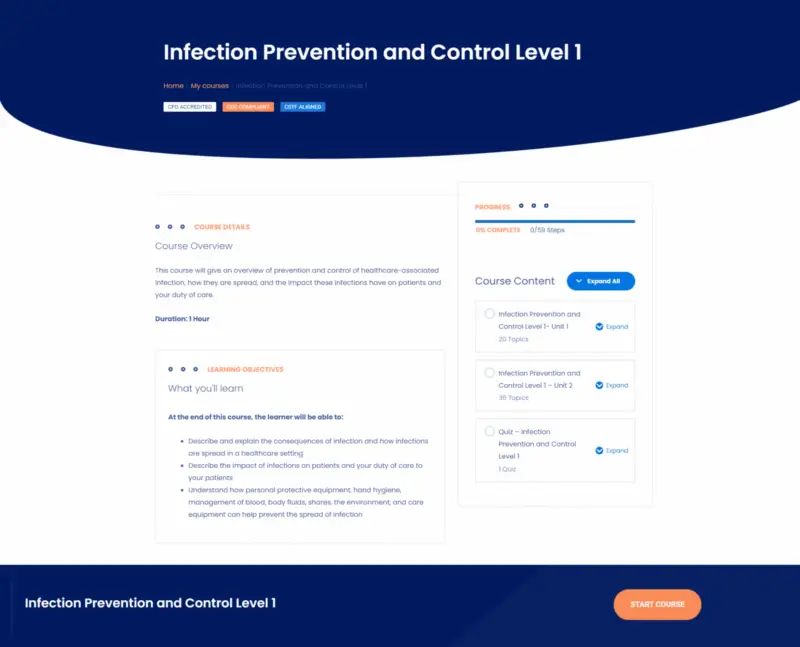
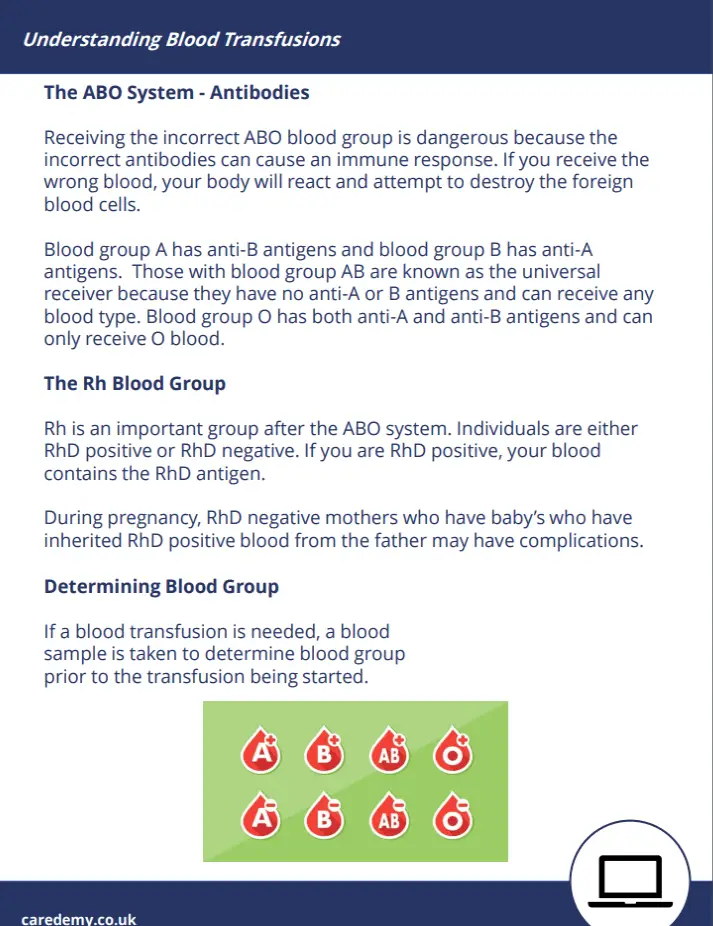
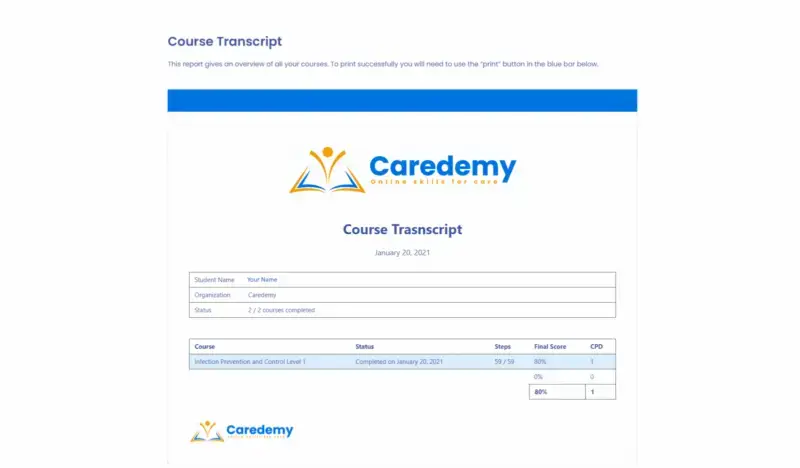
Take a peek at some of the materials


How it works:
Assessment & Certification
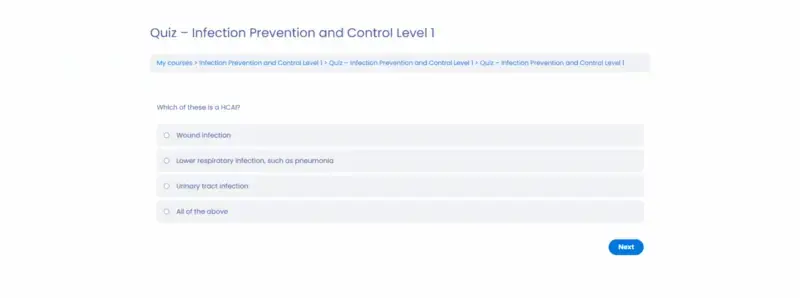
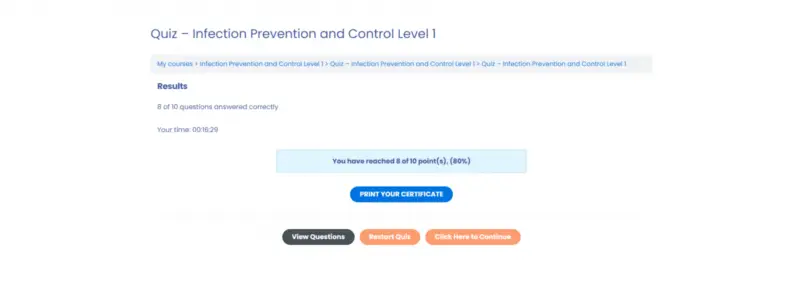
You will be given a multiple-choice exam available at the end of the learning, you will be graded. On a pass mark of 70% or higher a certificate is issued.
You may retake the test at your convenience at no additional cost.
On completion of the exam, a free certificate is instantly available for you to download or print.
A hard copy certificate printed on certificate grade paper can be purchased for a nominal fee via your learner dashboard and are dispatched within one working day to your address.
£105.00 Original price was: £105.00.£30.00Current price is: £30.00. +VAT
- Audio playback is included in this course at no additional cost
- This course is available in 50 different languages for translation
Why learn with us?
- CPD Accredited online courses
- Free course certificate
- No waiting with instant course access
- User friendly training, easy to navigate
- Compliant to the care frameworks
- Multiple choice exam & resits included
- Downloadable workbook
- 12 month anytime course access


Exceptional Value Course Offers
Unbeatable value team training



Be inspection ready Includes audit reporting & automated compliance – Online courses that learners complete.
Exceptional Value Course Offers

No reviews available for this product.