
Mandatory and statutory training for adult social care
£435.00 Original price was: £435.00.£60.00Current price is: £60.00. +VAT
14-Day Money-Back Guarantee
- Audio playback is included in this course
- Available in 50 different languages for translation
Why learn with us?
- Free course certificate
- Instant course access
- CPD Accredited
- Easy to navigate
- Multiple choice exam
- Resits included
- Downloadable workbook
- 12 month access


Why Learn with us?
A Trusted Assessed, Audited and Endorsed Training Provider
Course details
Mandatory and Statutory Training for adult Social Care Overview
Get essential workplace training in one convenient package with our Mandatory & Statutory Training Bundle. This comprehensive bundle includes 29 online courses, covering core, role-specific and recommended training across health and safety, safeguarding, infection prevention and control, moving and handling, medication, first aid, data protection, person-centred care and more. Designed for health and social care professionals, it provides a simple, cost-effective way to complete essential training, refresh knowledge and help meet workplace, regulatory and compliance requirements.
Duration: 34 Hours CPD Points: 34 Certificates Included
What You will learn
Mandatory and Statutory Training for adult Social Care Learning Objectives
Our Mandatory and Statutory Training for Adult Social Care bundle is designed to give care workers the essential knowledge and practical understanding needed to work safely, effectively and in line with their responsibilities. Across the 29 courses, learners will develop knowledge relevant to everyday adult social care practice, from safeguarding and infection control to person-centred care, medication and workplace safety.
By completing the training, learners will be able to:
Understand key health and safety responsibilities
Recognise and respond to safeguarding concerns
Apply effective infection prevention and control
Follow safer moving and handling practices
Understand medication safety and responsibilities
Support privacy, dignity and person-centred care
Apply the Mental Capacity Act appropriately
Promote equality, diversity and inclusion
Understand GDPR and data protection responsibilities
Recognise appropriate first aid and life support actions
Support effective communication and care planning
Apply learning confidently in adult social care settings
Lessons
Mandatory and Statutory adult Social Care Training Course Content
Mandatory and Statutory Adult Social Care Training Course Content
This comprehensive bundle includes 29 online training courses covering core, role-specific and recommended areas of learning for adult social care workers. Each course focuses on practical knowledge that can be applied within care homes, domiciliary care, supported living and other adult social care settings.
1. Health & Safety Awareness
Covers essential workplace health and safety responsibilities, common hazards, risk assessments, accident prevention and maintaining a safe environment for staff and people receiving care.
2. Fire Safety – Level 1
Introduces the principles of fire safety, common causes of fire, fire prevention, recognising hazards and the actions staff should take if a fire occurs.
3. Fire Safety – Level 2
Develops fire safety knowledge further, including fire procedures, evacuation, fire safety equipment and responsibilities for maintaining a safer care environment.
4. Manual Handling at Work
Explains safer manual handling principles, including identifying handling risks, reducing the likelihood of injury and using appropriate techniques when moving or handling objects.
5. Infection Prevention & Control – Level 1
Introduces infection prevention principles, routes of transmission, hand hygiene, personal protective equipment and measures used to reduce the spread of infection.
6. Infection Prevention & Control – Level 2
Provides a more detailed understanding of infection prevention and control practices relevant to staff delivering direct care and support.
7. Safeguarding Adults – Level 1
Introduces adult safeguarding, different forms of abuse and neglect, recognising potential indicators and knowing how and when to report concerns.
8. Safeguarding Adults – Level 2
Develops safeguarding knowledge for workers with greater responsibilities, including responding to concerns, reporting and recording, legislation, risk and appropriate escalation.
9. Learning Disability & Autism Awareness
Builds awareness of learning disabilities and autism and explores how care workers can provide respectful, inclusive and person-centred support. This course includes Oliver Mcgowan.
Role-Specific Mandatory Training
10. Basic Life Support
Covers the essential principles of basic life support, responding to an emergency, CPR and appropriate action when someone becomes unresponsive.
11. First Aid
Introduces essential first aid knowledge, including responding appropriately to accidents, injuries and sudden illness until further medical assistance is available.
12. Moving & Handling People
Explains safer principles for assisting and moving people, including risk assessment, reducing injury and supporting an individual’s safety, dignity and independence.
13. Safeguarding Children – Level 1
Provides an introduction to child safeguarding, recognising possible signs of abuse or neglect and understanding responsibilities for reporting concerns.
14. Safeguarding Children – Level 2
Develops knowledge of child safeguarding procedures, responding to concerns, information sharing, reporting and professional responsibilities.
15. Food Safety & Hygiene – Level 1
Introduces basic food hygiene, contamination, personal hygiene and safer practices when handling, preparing or serving food.
16. Food Safety & Hygiene – Level 2
Provides more detailed knowledge of food safety hazards, contamination controls, food storage, preparation and maintaining appropriate hygiene standards.
17. Medication Awareness & Administration
Covers key principles of medication safety, including responsibilities, safe administration, storage, recording, common medication issues and responding to errors or concerns.
Additional & Recommended Training
18. Mental Capacity Act
Explains the principles of the Mental Capacity Act, assessing capacity, supporting decision-making and acting in a person’s best interests where appropriate.
19. Equality, Diversity & Inclusion
Explores equality, diversity, inclusion, discrimination and human rights, helping workers provide fair, respectful and inclusive care and support.
20. GDPR & Data Protection
Covers confidentiality, personal information, secure handling of data and the responsibilities care workers have when accessing, recording, storing or sharing information.
21. Dementia Awareness
Provides an understanding of dementia, its potential effects on individuals and approaches to delivering compassionate, person-centred dementia care.
22. Nutrition & Hydration
Explores the importance of appropriate nutrition and hydration, recognising potential risks and supporting individuals to meet their dietary and fluid needs.
23. Person-Centred Care
Explains how to place an individual’s needs, preferences, choices and desired outcomes at the centre of their care and support.
24. Privacy & Dignity
Covers practical ways of protecting privacy, maintaining dignity, respecting individual choices and promoting independence during everyday care.
25. Communication
Develops effective communication skills for adult social care, including listening, adapting communication and overcoming potential communication barriers.
26. End of Life Care
Introduces the principles of compassionate end of life and palliative care, including person-centred support, communication, dignity and responding to individual wishes and needs.
27. Oral Health
Explains the importance of good oral health and how care workers can support individuals with daily oral care and recognise when additional support may be required.
28. Positive Behaviour Support
Introduces positive behaviour support and person-centred approaches to understanding behaviour, identifying potential triggers and improving quality of life.
29. Care Planning
Explores effective care planning and record keeping, including identifying individual needs and preferences, setting appropriate outcomes and keeping care information accurate and up to date.
Together, these 29 courses provide broad coverage of the knowledge adult social care workers may require for induction, refresher training and ongoing professional development. The precise training required for an individual should be determined by their employer according to their role, responsibilities, workplace risks and the needs of the people they support.
That final qualification is important for accuracy: not every one of the 29 courses is automatically legally mandatory for every adult social care worker; requirements depend on role and risk assessment. Your existing Caredemy material similarly distinguishes core training from training relevant to particular roles.
On successful completion of the quiz, you will be awarded a CPD accredited free certificate for each course.
Who is this for?
Who is this Mandatory and Statutory adult Social Care Training for?
Which Courses Apply by Role?
Training requirements in adult social care vary according to the learner’s job role, responsibilities, level of contact with people receiving care, workplace risks and employer requirements. This 29-course bundle provides broad coverage, allowing employers to select the training relevant to each member of staff.
Care Assistants & Care Workers
Care workers providing direct personal care will typically require the broadest range of training. Relevant courses may include Health & Safety, Fire Safety, Infection Prevention & Control, Safeguarding Adults, Learning Disability & Autism Awareness, Basic Life Support, Moving & Handling People, Medication, Mental Capacity Act, Dementia Awareness, Nutrition & Hydration, Person-Centred Care, Privacy & Dignity, Communication, Oral Health and Care Planning.
Domiciliary & Home Care Workers
Home care workers may require training covering Health & Safety, Fire Safety, Manual Handling, Infection Prevention & Control, Safeguarding Adults, Basic Life Support, Moving & Handling People, Medication, Mental Capacity Act, Dementia, Nutrition & Hydration, Person-Centred Care, Privacy & Dignity, Communication, Oral Health and Care Planning. Training should reflect the risks associated with providing care in an individual’s home.
Support Workers
Relevant training may include Health & Safety, Fire Safety, Safeguarding Adults, Infection Prevention & Control, Learning Disability & Autism Awareness, Basic Life Support, Mental Capacity Act, Equality, Diversity & Inclusion, GDPR, Person-Centred Care, Communication and Positive Behaviour Support. Additional courses should be selected according to the people being supported and the worker’s duties.
Senior Care Workers & Team Leaders
Alongside core training, senior staff may require higher-level or additional learning in areas such as Safeguarding Adults Level 2, Infection Prevention & Control Level 2, Fire Safety Level 2, medication administration, Mental Capacity Act, care planning, GDPR and Positive Behaviour Support.
Care Coordinators & Supervisors
Training may focus on Health & Safety, Safeguarding Adults, Mental Capacity Act, GDPR & Data Protection, Equality, Diversity & Inclusion, Person-Centred Care, Communication and Care Planning, alongside any clinical or practical training relevant to their responsibilities.
Registered Managers & Deputy Managers
Managers need sufficient knowledge to oversee safe and compliant services. Relevant courses may include Health & Safety, Fire Safety Level 2, Safeguarding Adults Level 2, Infection Prevention & Control Level 2, Mental Capacity Act, GDPR, Equality, Diversity & Inclusion, medication, Person-Centred Care and Care Planning.
Activities, Administrative & Non-Care Staff
Employees who do not provide direct personal care may still require core training such as Health & Safety, Fire Safety, Safeguarding Adults, Infection Prevention & Control, Equality, Diversity & Inclusion and GDPR. Additional training should reflect their level of contact with people receiving care and their workplace responsibilities.
Staff Working With Food
Where employees prepare, handle or serve food, Food Safety & Hygiene training may be required. The appropriate level should reflect their duties and level of responsibility.
Staff Supporting or Administering Medication
Workers involved in medication should complete appropriate Medication Awareness & Administration training and must also receive any practical instruction, competency assessment and workplace-specific training required by their employer.
Staff Who Move or Assist People
Workers who assist people with transfers, repositioning or mobility should complete Moving & Handling People training alongside any practical training and competency assessment required for their role.
Staff Working With Children as Part of Their Role
Where a worker has responsibilities involving children or young people, Safeguarding Children Level 1 or Level 2 may also be appropriate depending on their responsibilities.
Important: There is no single mandatory training list that applies identically to every adult social care worker. Employers should determine training needs based on the employee’s role, responsibilities, workplace risk assessment, regulatory requirements and the needs of the people they support. Some areas, particularly moving and handling, first aid and medication administration, may require practical training and/or workplace competency assessment in addition to online learning.
Mandatory and Statutory Social Care Training FAQ
Mandatory and statutory adult Social Care Training Courses FAQs
Mandatory and statutory training courses for social care are programmes required by law or regulatory bodies to ensure that healthcare or social care service providers, such as the NHS and independent care providers, meet essential standards. These courses cover critical areas including health and safety, safeguarding, fire safety, and infection control. They are designed to equip care workers with the necessary knowledge to perform their roles safely and effectively.
Continuing Professional Development (CPD) is vital for social care workers to maintain and enhance their knowledge and skills, ensuring their practice is up-to-date with current standards and best practices. It contributes to the quality of care provided to service users and is often a requirement for maintaining professional registration
The frequency at which mandatory and statutory training should be completed varies depending on the type of training and the policies of the employing organisation. Generally, it is recommended that staff update their training annually to stay current with any changes in legislation and care practices.
Yes, CPD online courses can meet the requirements set by regulatory bodies such as the Care Quality Commission (CQC), provided they are from a credible source and align with the expected outcomes and standards of professional development for social care workers.
Online social care training courses are widely recognised in the UK, especially when provided by accredited training organisations. It is important to select courses that offer recognised qualifications or CPD points, and that are up-to-date to ensure compliance with UK standards and regulations.
Funding availability for CPD courses can vary. Social care workers may have access to training funded by their employer, or they may be eligible for workforce development funding opportunities. Additionally, some workers may be entitled to access courses through initiatives like the Workforce Development Fund. It is advisable to check with employers or local authorities for specific funding options available.
Information
How our courses work
Purchase
Add your course(s) to checkout & pay
Learn
Instant course(s) allocation. No waiting!
Assess
Pass the exam to obtain a certificate
Image examples
Take a peek at some of the materials
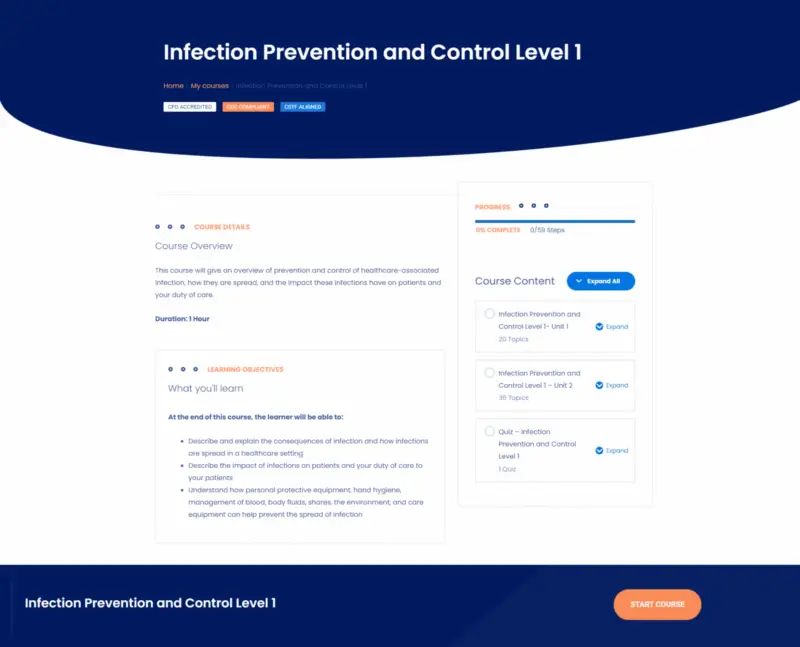
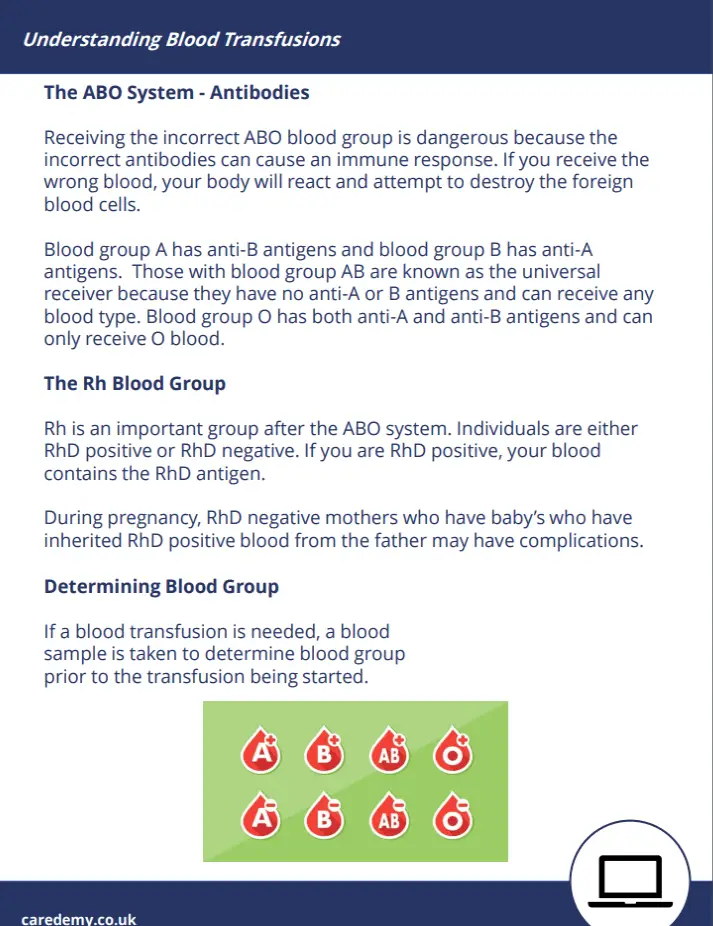
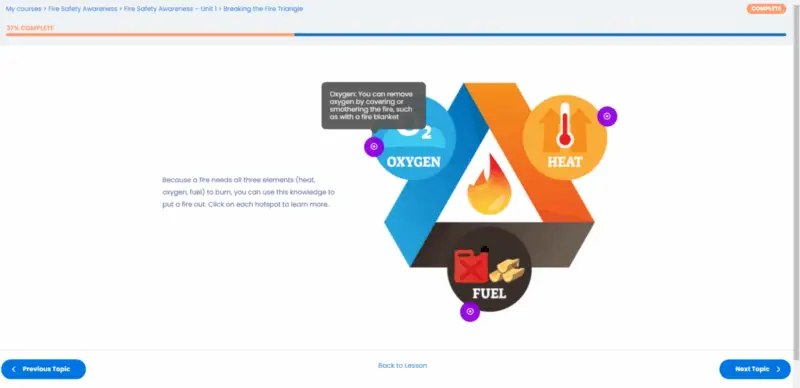
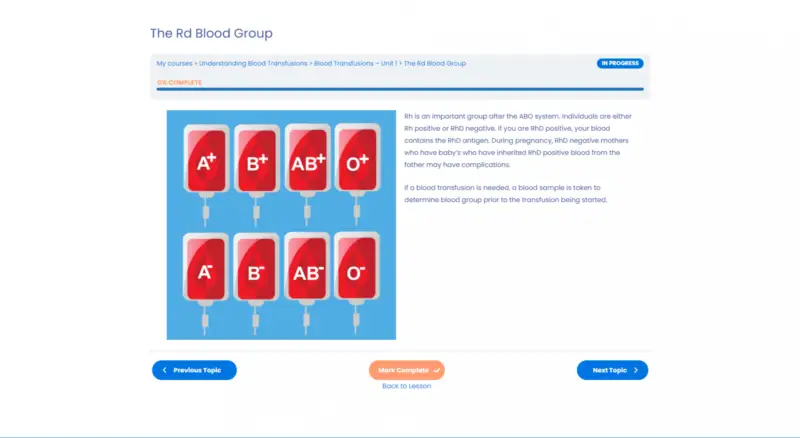
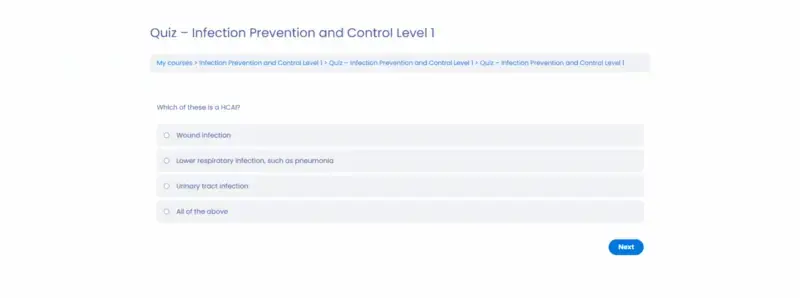
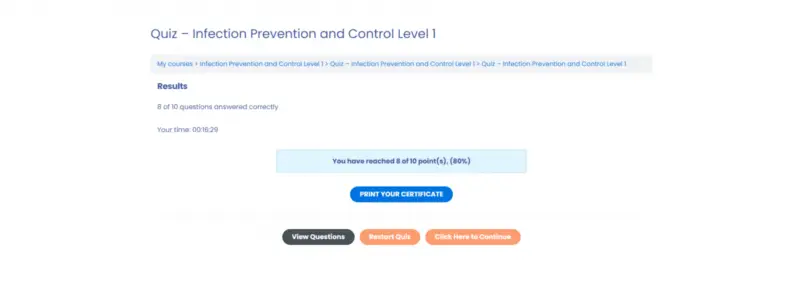
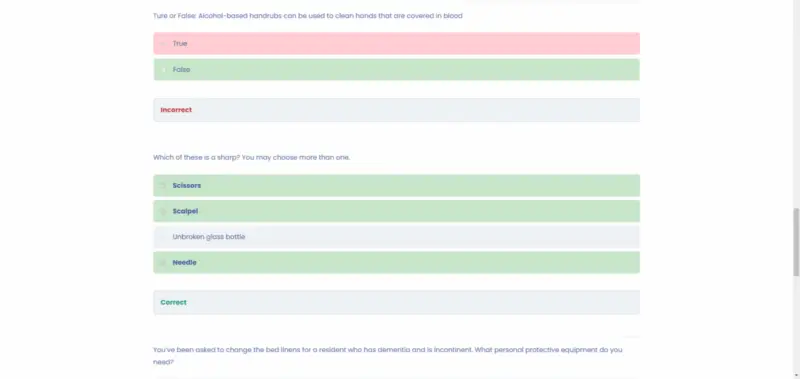

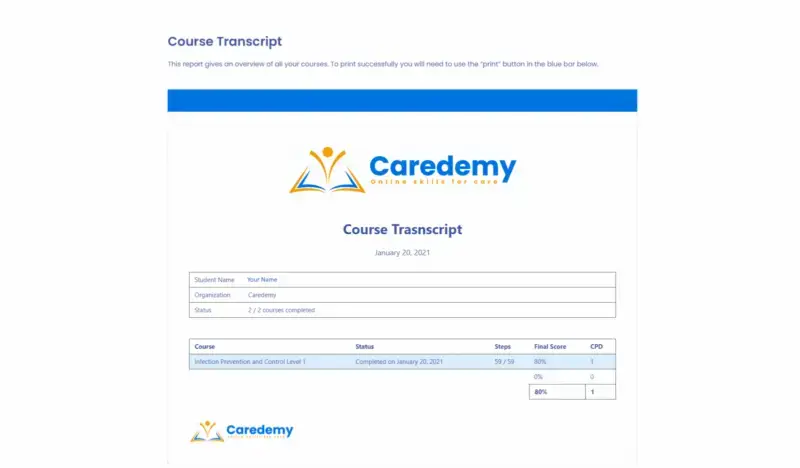

How it works:
Assessment & Certification
You will be given a multiple-choice exam available at the end of the learning, you will be graded. On a pass mark of 70% or higher a certificate is issued.
You may retake the test at your convenience at no additional cost.
On completion of the exam, a free certificate is instantly available for you to download or print.
A hard copy certificate printed on certificate grade paper can be purchased for a nominal fee via your learner dashboard and are dispatched within one working day to your address.
£435.00 Original price was: £435.00.£60.00Current price is: £60.00. +VAT
- Audio playback is included in this course at no additional cost
- This course is available in 50 different languages for translation
Why learn with us?
- CPD Accredited online courses
- Free course certificate
- No waiting with instant course access
- User friendly training, easy to navigate
- Compliant to the care frameworks
- Multiple choice exam & resits included
- Downloadable workbook
- 12 month anytime course access


Exceptional Value Course Offers
Unbeatable value team training



Be inspection ready Includes audit reporting & automated compliance – Online courses that learners complete.
Exceptional Value Course Offers
Each of our products are complete with feedback asking customers to rate their experience from 1 to 5
The course was highly impactful, structured and organized.
Really hard to follow data etc but a good course
The material is well put together and organised
The course was easy to understand and explicit
Wonderful an easy to understand .